2026 Fed Rate Hikes: 3-Month Financial Impact on US Households
Anúncios
The financial landscape of the United States is perennially influenced by the decisions made by the Federal Reserve. As we look ahead to 2026, the prospect of further 2026 Fed Rate Hikes looms large, carrying significant implications for U.S. households. Understanding these potential changes and their immediate 3-month financial impact is crucial for proactive financial planning and stability. This comprehensive analysis will delve into the mechanisms of interest rate adjustments, forecast their effects on various aspects of household finance, and provide actionable strategies to navigate these economic shifts. From mortgages and credit cards to savings and investments, every facet of a household’s financial health stands to be affected. Preparing now can make all the difference in mitigating adverse outcomes and even identifying opportunities.
Anúncios
The Federal Reserve’s primary mandate includes maintaining maximum employment, stable prices, and moderate long-term interest rates. To achieve these goals, the Fed often adjusts the federal funds rate, which in turn influences other interest rates throughout the economy. When the Fed signals or implements 2026 Fed Rate Hikes, it’s typically in response to inflationary pressures or a robust economy that policymakers believe is overheating. While such moves are intended to stabilize the broader economy, their ripple effects are felt directly by individual households, sometimes within a matter of weeks or months. This article will focus specifically on the immediate 3-month window following any potential rate adjustments in 2026, offering a clear, concise, and actionable guide for American families.
Understanding the Mechanism of 2026 Fed Rate Hikes
Before we dissect the impact, it’s essential to grasp how the Federal Reserve’s actions translate into changes in your personal finances. The federal funds rate is the target interest rate set by the Federal Open Market Committee (FOMC). This rate influences the rate at which banks lend money to each other overnight. When the Fed raises this rate, banks’ borrowing costs increase, and these higher costs are then passed on to consumers in the form of higher interest rates on various loans and credit products. This cascading effect can be quite rapid, often observable within weeks of a Fed announcement.
Anúncios
Historically, the Fed has used interest rate adjustments as a powerful tool to manage economic cycles. In an inflationary environment, raising rates helps to cool down the economy by making borrowing more expensive, thereby reducing consumer spending and investment. Conversely, lowering rates stimulates economic activity. The anticipated 2026 Fed Rate Hikes are likely to be a strategic move to address evolving economic conditions, potentially to curb persistent inflation or to normalize monetary policy after periods of low rates. The speed at which these changes propagate through the financial system can vary, but for most consumer-facing products, the impact is felt relatively quickly, making a 3-month analysis particularly relevant.
The market often anticipates these moves, and financial institutions begin adjusting their rates even before the official announcement. This forward-looking behavior means that households should not wait for the actual hike to occur but rather prepare in advance. Understanding the ‘why’ behind the 2026 Fed Rate Hikes provides context for the ‘how’ they will affect your wallet, empowering you to make informed decisions. This foundational knowledge is the first step in building a resilient financial strategy against future economic shifts.
Immediate 3-Month Impact on Mortgages and Housing
For many U.S. households, a mortgage is their largest financial obligation. The prospect of 2026 Fed Rate Hikes can significantly influence both new and existing mortgage rates. Within the first three months of a rate hike, the most immediate impact will be felt by those seeking new mortgages or looking to refinance existing ones. Adjustable-Rate Mortgages (ARMs) are particularly sensitive to Fed rate changes. If you have an ARM, your interest rate could adjust upwards within this 3-month window, leading to higher monthly payments. This direct increase in housing costs can strain household budgets, especially for those already operating on tight margins.
For prospective homebuyers, higher mortgage rates mean reduced purchasing power. A seemingly small increase in the interest rate can translate into thousands of dollars more over the life of a loan, or significantly higher monthly payments. This can cool down the housing market, potentially leading to a slowdown in home sales and a moderation in home price appreciation. Within the initial three months, buyers might rush to lock in lower rates if they anticipate further hikes, or they might pause their home-buying plans, awaiting more favorable conditions. This dynamic creates a period of uncertainty and strategic decision-making for both buyers and sellers.
Home equity lines of credit (HELOCs) are another area of concern. These are typically tied to the prime rate, which moves in lockstep with the federal funds rate. An increase in the federal funds rate means an almost immediate increase in the interest rates on HELOCs, leading to higher minimum payments for borrowers. Households utilizing HELOCs for various purposes, such as home renovations or debt consolidation, will need to reassess their budgets to accommodate these increased costs. Proactive communication with lenders and a review of loan terms within this 3-month period are highly advisable to avoid unexpected financial burdens. The sensitivity of the housing market to 2026 Fed Rate Hikes underscores the importance of careful financial planning.
Credit Cards and Other Consumer Debt
Beyond mortgages, credit card interest rates and other forms of consumer debt are highly susceptible to 2026 Fed Rate Hikes. Most credit cards have variable interest rates, meaning they are directly tied to the prime rate. When the Fed raises its benchmark rate, credit card annual percentage rates (APRs) typically follow suit within one to two billing cycles, which falls well within our 3-month analysis window. This means that carrying a balance on your credit cards will become more expensive almost immediately, increasing your minimum monthly payments and the total cost of your debt.
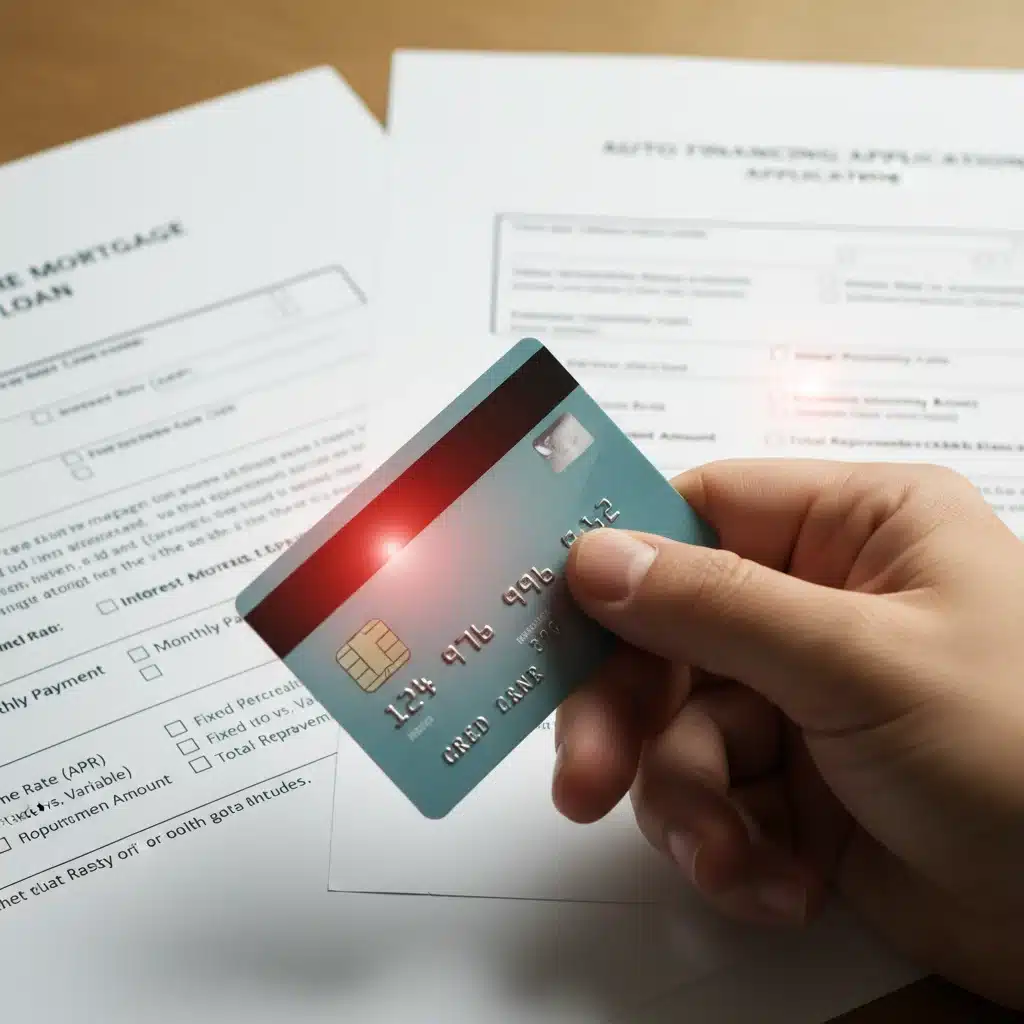
For households with significant credit card debt, even a modest increase in APRs can lead to substantial additional interest charges over time. This can make it harder to pay down existing balances, potentially trapping consumers in a cycle of debt. Within the first three months of a rate hike, it is imperative for households to review their credit card statements, understand their current APRs, and prioritize paying down high-interest debt. Strategies like balance transfers to 0% APR cards (if available and manageable) or debt consolidation loans might become more attractive, though the rates on these consolidation loans will also be influenced by the Fed’s actions.
Other forms of consumer debt, such as auto loans and personal loans, are also affected, though typically with a slight lag or for new loans. Existing fixed-rate auto loans will remain unchanged, but new loans taken out after the rate hike will carry higher interest rates. Variable-rate personal loans will see adjustments similar to credit cards. The cumulative effect of these higher borrowing costs across multiple debt categories can significantly impact a household’s disposable income. Therefore, a thorough audit of all consumer debts and a strategic plan for repayment or restructuring within the 3-month timeframe of any 2026 Fed Rate Hikes are crucial for maintaining financial health and avoiding increased financial stress.
Savings, Investments, and Emergency Funds
While borrowing becomes more expensive with 2026 Fed Rate Hikes, there’s a silver lining for savers and investors. Higher interest rates typically translate into better returns on savings accounts, money market accounts, and certificates of deposit (CDs). Within the 3-month period following a hike, banks often adjust their savings rates upwards, making it more attractive to keep cash in interest-bearing accounts. This can be particularly beneficial for building or growing an emergency fund, as your money will work harder for you.
For investors, the impact is more nuanced. Bond yields tend to rise with interest rates, which can be good for new bond purchases but can decrease the value of existing bonds with lower fixed rates. The stock market’s reaction to rate hikes can be mixed. Initially, higher rates might lead to concerns about corporate borrowing costs and consumer spending, potentially causing market volatility. However, if the rate hikes are seen as a sign of a strong economy, this could eventually support corporate earnings. Within the first three months, investors might observe increased market fluctuations and should review their portfolios for diversification and risk exposure.
This period presents an opportunity to re-evaluate your savings strategy. If you have significant cash reserves sitting in low-yield accounts, the 2026 Fed Rate Hikes could be a prompt to move those funds into higher-yield savings options. Reviewing your emergency fund is also critical. Ensure it’s adequately funded and consider parking it in a high-yield savings account or a short-term CD to maximize returns without sacrificing liquidity. For longer-term investments, consult with a financial advisor to understand how a rising rate environment might affect your portfolio and to adjust your strategy accordingly, focusing on long-term goals rather than short-term market reactions.
Budgeting and Financial Planning Strategies for Households
Given the potential for 2026 Fed Rate Hikes, proactive budgeting and financial planning are paramount for U.S. households. The initial 3-month window after a rate adjustment is critical for adapting your financial habits and strategies. The first step is to conduct a thorough review of your current budget. Identify all sources of income and categorize all expenses, paying close attention to variable-rate debts like credit cards and HELOCs, as these are where you’ll see the most immediate impact.
Consider creating a ‘rate hike stress test’ for your budget. Calculate how much your monthly payments would increase if interest rates on your variable debts went up by a certain percentage (e.g., 0.25% or 0.50%). This exercise will reveal potential shortfalls and allow you to make adjustments proactively. Look for areas where you can cut discretionary spending, even temporarily, to offset increased debt costs. This could involve reducing dining out, entertainment expenses, or subscriptions.

Prioritizing debt repayment, especially high-interest consumer debt, becomes even more crucial. If you have extra funds, allocating them to credit card balances can save you significant money in interest charges as rates rise. For those with ARMs or HELOCs, explore options to lock in a fixed rate if the current market allows and it aligns with your long-term financial goals. Consulting with a financial advisor during this period can provide personalized guidance and help you develop a robust financial plan that accounts for the anticipated 2026 Fed Rate Hikes and their ongoing effects. Remember, a well-structured budget is your first line of defense against economic volatility.
Economic Outlook and Broader Implications for Households
The 2026 Fed Rate Hikes are not isolated events; they are part of a broader economic strategy with wide-ranging implications. Understanding the larger economic outlook helps households contextualize these changes and prepare for secondary effects. Typically, when the Fed raises rates, it aims to cool an overheating economy, which can lead to a slowdown in economic growth. While this might help in curbing inflation, it can also impact job markets and overall consumer confidence.
Within the 3-month period, households might observe shifts in the labor market, potentially fewer job openings or a slower pace of wage growth, depending on the severity and frequency of the rate hikes. This underscores the importance of maintaining a strong emergency fund and potentially diversifying income streams if possible. Businesses, facing higher borrowing costs, might reduce expansion plans or hiring, which could indirectly affect household incomes and employment stability.
Moreover, the value of the U.S. dollar can strengthen with higher interest rates, making imports cheaper but exports more expensive. While this might offer some relief on imported goods for consumers, it could pose challenges for export-oriented industries, potentially impacting workers in those sectors. Keeping an eye on broader economic indicators and news related to the 2026 Fed Rate Hikes can help households anticipate these secondary effects and adjust their financial strategies accordingly. The goal is to build financial resilience that can withstand various economic conditions, not just the immediate impact of interest rate changes.
Long-Term Planning Beyond the 3-Month Window
While our focus has been on the immediate 3-month impact of 2026 Fed Rate Hikes, it’s crucial to acknowledge that these changes have long-term repercussions. Financial planning should extend beyond the initial adjustment period, integrating these new economic realities into your long-term goals. For homeowners, understanding the trajectory of interest rates can inform decisions about refinancing, future home purchases, or even selling property. For those with significant student loan debt, particularly variable-rate loans, monitoring the Fed’s actions will be an ongoing necessity.
For retirement planning, higher interest rates can offer both challenges and opportunities. While bond yields may be more attractive, sustained periods of high rates could impact economic growth, which in turn affects equity markets. Regularly reviewing your investment portfolio with a long-term perspective, and potentially adjusting asset allocation to reflect a higher-rate environment, is a prudent strategy. Diversification across different asset classes remains a cornerstone of resilient long-term investing.
Furthermore, the cumulative effect of multiple 2026 Fed Rate Hikes over time can significantly alter the cost of living and the overall economic environment. Households should embed a regular financial review process into their routines, perhaps quarterly or semi-annually, to assess how economic changes are impacting their finances and to make necessary adjustments. This continuous monitoring and adaptation are key to achieving financial security and meeting long-term financial objectives in an evolving economic landscape. Ultimately, sustained financial literacy and proactive decision-making are your most valuable assets.
Conclusion: Preparing for 2026 Fed Rate Hikes
The anticipation of 2026 Fed Rate Hikes presents a critical juncture for U.S. households to re-evaluate and fortify their financial positions. The immediate 3-month impact, as explored, will primarily manifest in higher costs for variable-rate debts such as mortgages, credit cards, and personal loans, while simultaneously offering improved returns on savings. Proactive engagement with your finances during this period is not merely advisable; it is essential for maintaining stability and identifying opportunities.
Key takeaways for households include diligently reviewing budgets, prioritizing the reduction of high-interest debt, exploring options for locking in lower rates where possible, and optimizing savings strategies to benefit from increased yields. Understanding the broader economic context will also empower households to anticipate secondary effects on employment and consumer prices, allowing for more holistic financial planning. By taking these steps, families can transform potential challenges into manageable situations, ensuring their financial resilience in the face of the Federal Reserve’s policy adjustments.
Ultimately, navigating the landscape of 2026 Fed Rate Hikes requires a blend of awareness, foresight, and decisive action. The strategies outlined in this analysis serve as a roadmap for U.S. households to prepare effectively, mitigate risks, and position themselves for continued financial well-being in an evolving economic environment. Start planning today to secure your financial future.