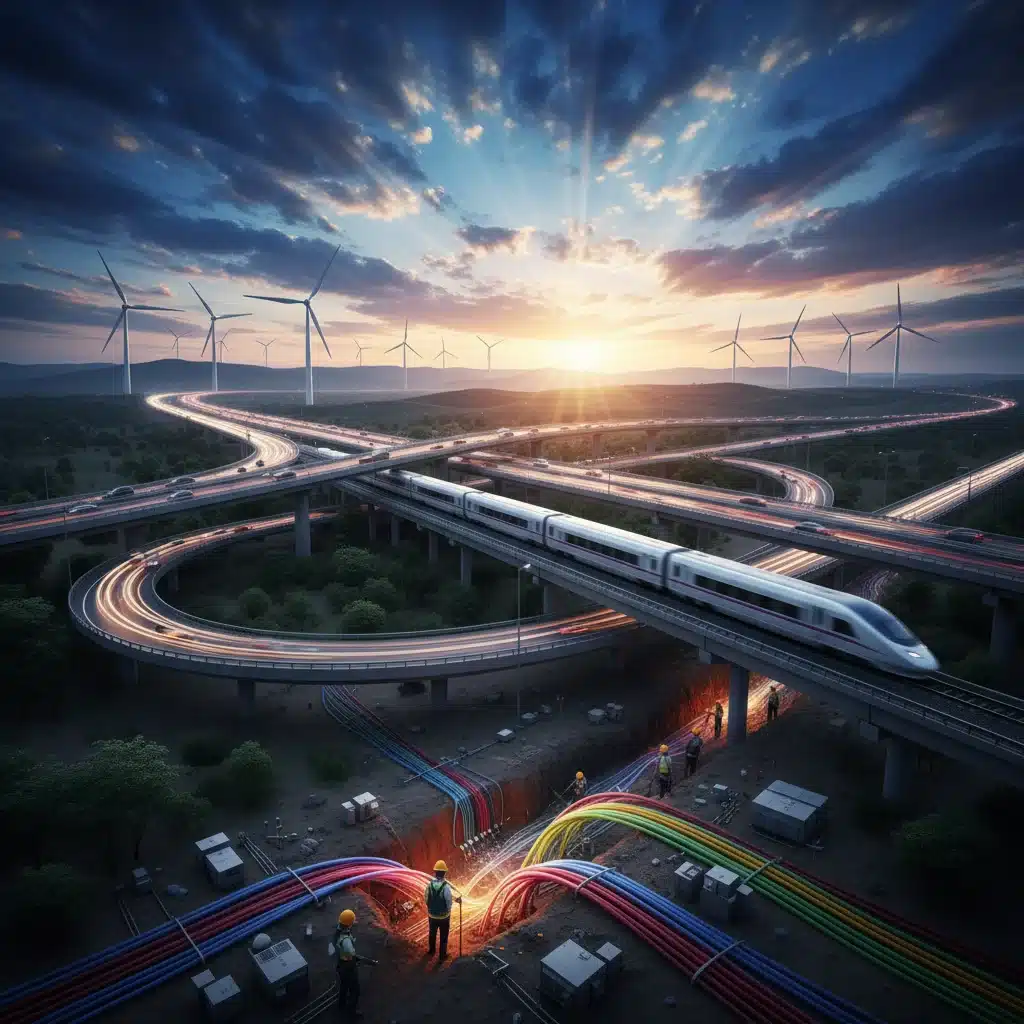
The 2026 Infrastructure Bill: A Deep Dive into the $1.2 Trillion Allocations and Their National Impact
The United States stands at a pivotal moment, poised to embark on a transformative journey through the implementation of the 2026 Infrastructure Bill. This monumental legislative package, earmarking an unprecedented $1.2 trillion, is not merely a collection of budgetary line items; it represents a strategic investment in the nation’s future, designed to modernize its crumbling infrastructure, foster economic growth, enhance resilience against climate change, and ensure a more equitable society. As we delve into the intricate details of this bill, it becomes clear that its scope extends far beyond roads and bridges, touching every facet of American life from digital connectivity to clean energy and public health. Understanding the allocations and their projected impact is crucial for citizens, businesses, and local governments alike, as this bill will undoubtedly reshape the landscape of the nation for decades to come.
Anúncios
The ambition behind the 2026 Infrastructure Bill is truly generational. It acknowledges that the infrastructure upon which modern America was built is aging, often inefficient, and in many cases, inadequate for the demands of the 21st century. From congested highways that stifle commerce to outdated water systems that pose public health risks, and from communities lacking reliable internet access to an energy grid vulnerable to extreme weather, the challenges are numerous and complex. This bill seeks to address these multifaceted issues with a comprehensive, forward-looking approach, aiming to build back better and create a more sustainable, competitive, and inclusive America. The $1.2 trillion commitment underscores the urgency and scale of the task at hand, reflecting a national consensus that investing in infrastructure is not an expense, but an essential foundation for prosperity and security.
Understanding the Core Pillars of the 2026 Infrastructure Bill
The extensive allocations within the 2026 Infrastructure Bill are strategically distributed across several critical sectors, each designed to address specific national needs and contribute to overarching goals of modernization and resilience. These pillars represent the foundational areas where the most significant investments will be made, promising tangible improvements for communities nationwide. Let’s explore these key areas in detail:
Anúncios
Transportation Modernization: Paving the Way for a New Era
A substantial portion of the 2026 Infrastructure Bill is dedicated to overhauling America’s transportation networks. This isn’t just about repairing potholes; it’s about reimagining how people and goods move across the country. Billions are allocated for roads, bridges, and major projects, focusing not only on maintenance but also on expanding capacity, improving safety, and integrating smart technologies. The goal is to reduce congestion, enhance freight efficiency, and connect communities more effectively. This includes funding for innovative materials and construction techniques that promise longer-lasting infrastructure and reduced environmental impact.
Beyond traditional roadways, significant investments are directed towards public transit systems. This will facilitate upgrades to existing bus and rail lines, expansion into underserved areas, and the adoption of cleaner, more efficient transit vehicles, including electric buses. The aim is to provide more accessible, reliable, and sustainable transportation options, thereby reducing reliance on personal vehicles, alleviating traffic, and lowering carbon emissions in urban centers. Furthermore, the bill recognizes the importance of passenger rail, with allocations aimed at improving existing Amtrak routes and exploring new high-speed rail corridors, which could revolutionize intercity travel and foster economic development along these routes.
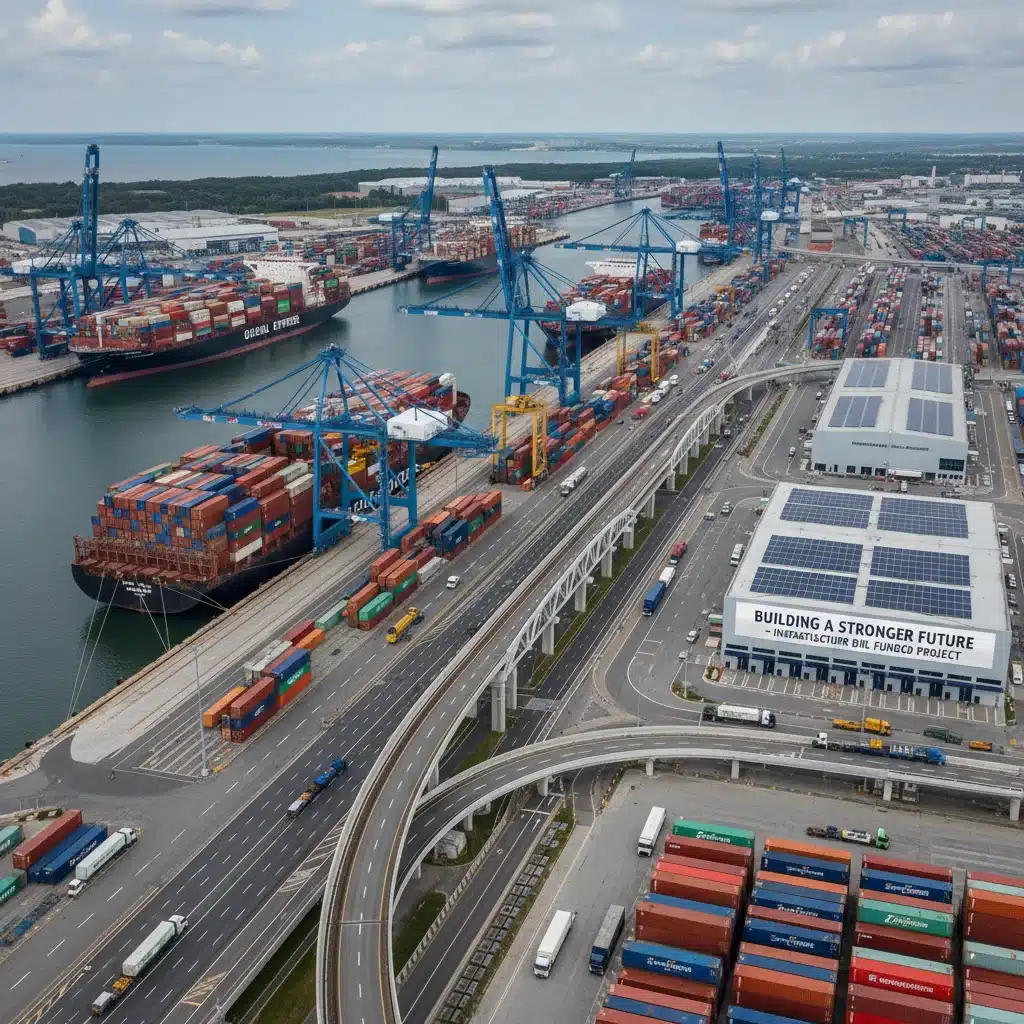
Airports and ports also receive substantial attention. Funds will be used to modernize terminals, improve air traffic control systems, and upgrade runways and taxiways, ensuring safer and more efficient air travel. Similarly, investments in ports will enhance their capacity to handle growing cargo volumes, streamline supply chains, and improve connectivity to inland transportation networks, which is vital for global trade and economic competitiveness. The resilience of these critical hubs against climate change impacts, such as rising sea levels and extreme weather, is also a key consideration in these allocations, ensuring their long-term operational viability.
Expanding Broadband Access: Bridging the Digital Divide
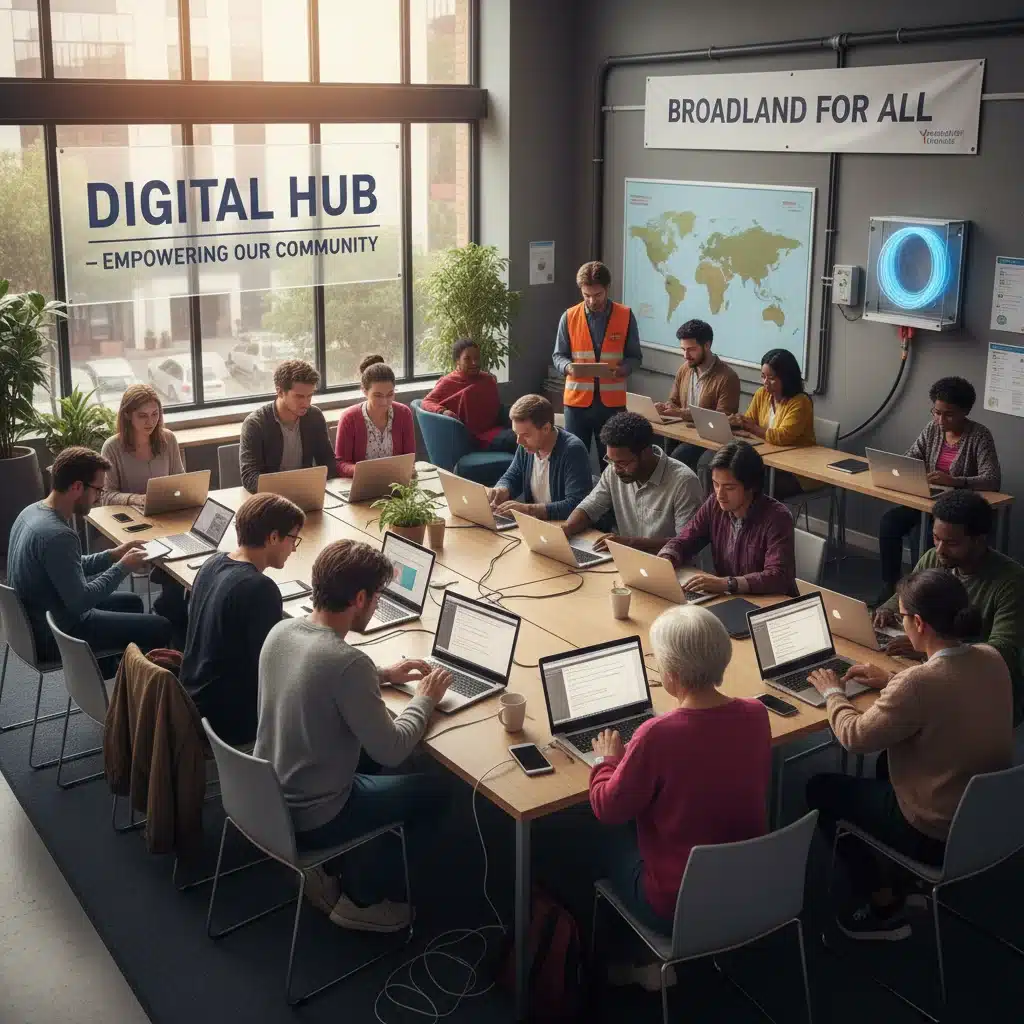
In the 21st century, internet access is no longer a luxury but a fundamental necessity for education, employment, healthcare, and civic participation. The 2026 Infrastructure Bill makes a historic commitment to ensuring that every American has access to affordable, reliable high-speed internet. Billions are earmarked for deploying broadband infrastructure in rural, tribal, and low-income urban areas where connectivity is currently lacking or inadequate. This initiative is designed to bridge the persistent digital divide, which has exacerbated inequalities and hindered economic opportunity for millions.
The investment goes beyond merely laying cables; it also includes provisions to make internet service more affordable for low-income families, recognizing that access without affordability is not true access. This dual approach tackles both the supply and demand sides of the broadband challenge, aiming to create a truly connected nation. The economic benefits of ubiquitous broadband are immense, fostering innovation, enabling remote work and learning, and opening up new markets for businesses. From telehealth services to precision agriculture, the impact of widespread high-speed internet will be transformative, empowering communities and individuals across the country.
Clean Energy and Grid Modernization: Powering a Sustainable Future
Addressing climate change and transitioning to a clean energy economy are central tenets of the 2026 Infrastructure Bill. A significant portion of the $1.2 trillion is dedicated to modernizing the nation’s energy grid, making it more resilient, reliable, and capable of integrating a greater share of renewable energy sources. This includes investments in smart grid technologies, transmission lines, and energy storage solutions that can withstand extreme weather events and prevent widespread power outages. The goal is to create a robust and interconnected grid that can efficiently deliver clean energy from where it’s generated to where it’s needed.
Furthermore, the bill allocates substantial funds to accelerate the deployment of clean energy technologies, such as solar, wind, and geothermal power. This involves supporting research and development, incentivizing private sector investment, and building out the necessary infrastructure for these renewable sources. There are also provisions for the development of electric vehicle (EV) charging infrastructure across the nation, a critical step towards decarbonizing the transportation sector and encouraging widespread EV adoption. This comprehensive approach to clean energy aims to reduce greenhouse gas emissions, create green jobs, and position the U.S. as a leader in the global clean energy transition.
Water Infrastructure: Ensuring Clean and Safe Water for All
The importance of safe and clean drinking water cannot be overstated, yet many communities across the U.S. grapple with aging water pipes, lead contamination, and inadequate wastewater treatment facilities. The 2026 Infrastructure Bill makes a historic investment in modernizing America’s water infrastructure, aiming to replace lead service lines, upgrade water treatment plants, and improve wastewater and stormwater systems. This commitment is paramount for public health, environmental protection, and ensuring equitable access to a basic human right.
These investments will not only address immediate health risks, such as lead exposure, but also build more resilient water systems capable of coping with the challenges of climate change, including droughts and increased flood risks. Funding will support projects that promote water conservation, reuse, and the development of innovative technologies for water management. By upgrading this vital infrastructure, the bill seeks to safeguard public health, protect natural ecosystems, and ensure that all communities, regardless of their socioeconomic status, have reliable access to clean and safe water.
Environmental Remediation and Resilience: Protecting Our Planet and Communities
Beyond clean energy, the 2026 Infrastructure Bill also allocates funds for environmental remediation and climate resilience. This includes cleaning up Superfund and brownfield sites, reclaiming abandoned mines, and plugging orphaned oil and gas wells, which pose significant environmental hazards and public health risks. These clean-up efforts will revitalize communities, create jobs, and restore contaminated lands for productive use.
Furthermore, significant investments are directed towards making infrastructure more resilient to the impacts of climate change. This involves funding for projects that protect communities from floods, wildfires, and extreme weather events. Examples include strengthening coastal defenses, restoring wetlands, upgrading stormwater systems, and improving forest management practices. By proactively investing in resilience, the bill aims to reduce future disaster costs, protect lives and property, and ensure that infrastructure can withstand the challenges of a changing climate.
The National Impact: A Ripple Effect Across America
The implementation of the 2026 Infrastructure Bill is projected to have a profound and far-reaching impact across the United States. Its effects will be felt not just in improved physical infrastructure but also in economic growth, job creation, enhanced public health, and a more equitable society. The ripple effect of this $1.2 trillion investment will touch every state, city, and rural community.
Economic Growth and Job Creation
One of the most immediate and tangible impacts of the 2026 Infrastructure Bill will be the creation of millions of good-paying jobs. From construction workers and engineers to manufacturing personnel and IT specialists, the demand for skilled labor will surge across various sectors. These jobs are not just temporary; many will be long-term positions associated with the maintenance, operation, and further development of modern infrastructure. This influx of employment will stimulate local economies, increase consumer spending, and contribute to overall national economic growth. Furthermore, improved infrastructure, particularly in transportation and broadband, will reduce business costs, enhance productivity, and attract new investments, fostering a more competitive and dynamic economy.
Enhanced Public Health and Safety
The investments in water infrastructure, lead pipe replacement, and environmental remediation will directly translate into improved public health outcomes. Reducing exposure to lead and other contaminants will prevent illnesses, especially in vulnerable populations. Safer roads and bridges, modernized public transit, and improved air traffic control systems will lead to fewer accidents and fatalities. The bill’s focus on resilience will also protect communities from the health impacts of extreme weather events, ensuring that essential services remain operational during emergencies. These health and safety benefits represent a significant return on investment, improving the quality of life for millions of Americans.
Greater Equity and Opportunity
A core objective of the 2026 Infrastructure Bill is to address historical inequities and ensure that all Americans have access to essential services and opportunities. The aggressive push for universal broadband access is a prime example, aiming to level the playing field for students, job seekers, and entrepreneurs in underserved areas. Investments in public transit will provide greater mobility for low-income individuals and those without personal vehicles, connecting them to jobs, education, and healthcare. Furthermore, projects in environmental justice communities will clean up toxic sites and improve local infrastructure, reversing decades of underinvestment and disproportionate environmental burdens. This focus on equity is vital for building a more inclusive and just society.
Climate Resilience and Environmental Stewardship
The bill’s substantial allocations for clean energy, grid modernization, and climate resilience projects mark a significant step forward in the fight against climate change. By transitioning to renewable energy sources and building a more resilient grid, the U.S. will reduce its carbon footprint and mitigate the impacts of a warming planet. Investments in natural infrastructure, such as coastal restoration and wetland protection, will enhance ecosystems and provide natural defenses against extreme weather. These efforts demonstrate a commitment to environmental stewardship, protecting natural resources for future generations while also safeguarding communities from climate-related disasters.
Challenges and Implementation: Navigating the Road Ahead
While the 2026 Infrastructure Bill presents an exciting vision for the future, its successful implementation will not be without challenges. The sheer scale of the investment, the complexity of the projects, and the need for coordinated action across multiple levels of government will require careful planning, efficient execution, and continuous oversight.
Workforce Development and Supply Chains
One significant challenge will be ensuring an adequate skilled workforce to execute the vast array of projects. There will be a heightened demand for engineers, construction workers, electricians, and technicians. Proactive measures, such as vocational training programs, apprenticeships, and partnerships between educational institutions and industry, will be crucial to meet this need. Additionally, potential supply chain disruptions for materials and equipment could impact project timelines and costs. Strategic planning and diversification of suppliers will be necessary to mitigate these risks and ensure that projects stay on track.
State and Local Coordination
The success of the 2026 Infrastructure Bill hinges on effective collaboration between federal, state, and local governments. Many of the funds will flow through state agencies, requiring robust planning and project management capabilities at the state level. Local governments will play a critical role in identifying needs, proposing projects, and overseeing their execution. Streamlining bureaucratic processes, fostering inter-agency communication, and providing technical assistance to smaller municipalities will be essential to ensure that funds are allocated efficiently and projects are completed expeditiously.
Ensuring Accountability and Transparency
With such a massive investment of taxpayer dollars, accountability and transparency are paramount. Mechanisms must be in place to track spending, monitor project progress, and prevent waste, fraud, and abuse. Independent oversight bodies, public reporting requirements, and clear performance metrics will be vital to ensure that the funds are used effectively and achieve their intended outcomes. Public trust in the process will depend on a demonstrated commitment to responsible stewardship of these resources.
Conclusion: Building a Stronger, More Resilient America
The 2026 Infrastructure Bill represents a monumental commitment to revitalizing and modernizing the United States. Its $1.2 trillion allocation is a testament to the nation’s resolve to address long-standing challenges in transportation, digital connectivity, clean energy, water systems, and climate resilience. While the road ahead will present its share of complexities and implementation hurdles, the potential rewards are immense.
By investing in smart, sustainable, and equitable infrastructure, the bill promises to drive economic growth, create millions of jobs, enhance public health and safety, and foster a more inclusive society. It is an investment in the future, designed to equip the nation with the tools and foundations necessary to thrive in the 21st century and beyond. As the projects funded by the 2026 Infrastructure Bill begin to take shape across the country, they will not only rebuild physical structures but also strengthen the fabric of communities, connecting people, fostering innovation, and securing a more prosperous and resilient America for generations to come. The transformative potential of this legislation cannot be overstated, marking a new chapter in the nation’s ongoing journey of progress and development.