
Unlocking Federal Grants for Adult Learners: A Step-by-Step Guide for 2026 Funding Opportunities
Embarking on or returning to higher education as an adult learner presents unique challenges and opportunities. One of the most significant hurdles often revolves around financing your studies. Fortunately, the federal government offers a robust array of financial aid programs designed specifically to support individuals committed to advancing their education. For adult learners eyeing the 2026 academic year, understanding the landscape of Federal Grants Adult Learners can be the key to unlocking invaluable financial assistance.
Anúncios
This comprehensive guide is meticulously crafted to demystify the process of securing federal grants for adult learners. We will navigate through eligibility criteria, application procedures, essential documentation, and strategic tips to maximize your chances of obtaining the funding you need. Whether you’re pursuing a degree, a vocational certificate, or professional development, federal grants can significantly alleviate the financial burden, allowing you to focus on your academic and career aspirations. Let’s delve into how you can position yourself for success in the 2026 funding cycle.
Understanding Federal Grants for Adult Learners
Before diving into the application process, it’s crucial to grasp what federal grants entail. Unlike loans, grants are forms of financial aid that do not need to be repaid, making them an incredibly attractive option for adult learners. These grants are typically awarded based on financial need, although some may also consider academic merit or specific fields of study. The primary goal of these programs is to make education accessible and affordable for a wider population, including those who may have taken a break from their studies or are starting their educational journey later in life.
Anúncios
The federal government is the largest provider of student financial aid, and a significant portion of this aid is allocated to grants. For Federal Grants Adult Learners, the most common and impactful programs include the Pell Grant, the Federal Supplemental Educational Opportunity Grant (FSEOG), and specific grants for future teachers or those studying in critical shortage areas. Each grant has its own set of criteria, but the overarching principle remains the same: to provide non-repayable funds to eligible students.
The 2026 funding cycle will largely follow the established frameworks, but it’s always wise to stay updated on any potential legislative changes or new initiatives. The U.S. Department of Education is the central hub for administering these programs, and their official website is an indispensable resource for the most current information. Understanding the types of grants available will help you tailor your application and ensure you’re pursuing the most relevant opportunities for your unique situation.
Eligibility Requirements for 2026 Federal Grants
Eligibility is the cornerstone of any grant application. For adult learners seeking Federal Grants Adult Learners in 2026, meeting specific criteria is paramount. While exact requirements can vary slightly between different grant programs, several fundamental conditions generally apply:
- Financial Need: Most federal grants are need-based. Your financial need is determined by the information you provide on your Free Application for Federal Student Aid (FAFSA®) form. This form calculates your Expected Family Contribution (EFC), which schools use to determine your eligibility for various aid programs.
- U.S. Citizenship or Eligible Non-citizen Status: You must be a U.S. citizen or an eligible non-citizen to qualify for federal student aid.
- Valid Social Security Number: With very few exceptions, you’ll need a valid Social Security number.
- High School Diploma or GED: You must have a high school diploma or its recognized equivalent (such as a GED) or have completed a high school education in a homeschool setting approved by state law.
- Enrollment in an Eligible Program: You must be enrolled or accepted for enrollment as a regular student in an eligible degree or certificate program at a school that participates in federal student aid programs.
- Satisfactory Academic Progress (SAP): If you’re continuing your education, you must maintain satisfactory academic progress as defined by your school. This typically involves maintaining a certain GPA and completing a minimum number of credits.
- No Default on Federal Student Loans: You must not be in default on any federal student loans or owe a refund on a federal grant.
It’s important for adult learners to pay close attention to the definition of a “regular student” and “eligible program.” Many vocational and technical programs, in addition to traditional degree paths, qualify for federal aid. Always confirm with your prospective institution that their programs are eligible for federal funding.
The FAFSA: Your Gateway to Federal Grants
The Free Application for Federal Student Aid (FAFSA®) is arguably the most critical step in securing Federal Grants Adult Learners. The FAFSA is used to determine your eligibility for virtually all federal student aid, including grants, loans, and work-study programs. For the 2026 academic year, the FAFSA will typically open in October 2025. It is highly recommended to complete it as early as possible, as some funds are awarded on a first-come, first-served basis.
Key Information Needed for FAFSA:
- Your Social Security Number.
- Your Alien Registration Number (if you are not a U.S. citizen).
- Your federal income tax returns, W-2s, and other records of money earned. For the 2026-2027 FAFSA, you will typically use tax information from two years prior (e.g., 2024 tax information for the 2026-2027 FAFSA).
- Records of untaxed income.
- Information on cash, savings, and checking account balances.
- Information on investments (excluding the home you live in).
- For dependent students, parental information will also be required. Adult learners are often considered independent students, which simplifies the application process as parental income and assets are not factored in.
The FAFSA collects information about your financial situation to calculate your Expected Family Contribution (EFC). This EFC, along with the cost of attendance at your chosen school, determines your financial need. The lower your EFC, the higher your financial need, potentially qualifying you for more grant aid.
Completing the FAFSA can seem daunting, but numerous resources are available. The Federal Student Aid website provides detailed instructions, and many colleges offer workshops or one-on-one assistance. Don’t hesitate to seek help if you encounter difficulties. A correctly and promptly submitted FAFSA is your best bet for accessing Federal Grants Adult Learners.

Major Federal Grant Programs for Adult Learners (2026)
Several federal grant programs are particularly beneficial for adult learners. Understanding each one can help you identify which grants you might be eligible for and how they can contribute to your educational funding.
1. Pell Grants
The Federal Pell Grant is the largest and most well-known federal grant program. It provides need-based grants to undergraduate students who have not yet earned a bachelor’s or professional degree. For adult learners, Pell Grants are a cornerstone of financial aid. The maximum Pell Grant amount changes annually, but for 2026, it is expected to remain a significant amount, potentially covering a substantial portion of tuition and fees at many institutions. Eligibility is primarily determined by your EFC from the FAFSA.
2. Federal Supplemental Educational Opportunity Grant (FSEOG)
The FSEOG is another need-based grant, but unlike Pell Grants, FSEOG funds are limited and distributed directly to schools. Each participating school receives a certain amount of FSEOG funds each year to award to students with exceptional financial need. This means that even if you qualify, your school might run out of funds. Therefore, applying early with your FAFSA is crucial to be considered for FSEOG, especially for Federal Grants Adult Learners.
3. Teacher Education Assistance for College and Higher Education (TEACH) Grant
The TEACH Grant program provides grants to students who are completing or plan to complete coursework to begin a career in teaching. In exchange for receiving a TEACH Grant, you must agree to serve as a full-time teacher in a high-need field in a low-income school district for at least four academic years within eight years after completing your program. If you fail to meet this service obligation, the grant converts into a loan that you must repay with interest. This grant is ideal for adult learners looking to transition into the teaching profession.
4. Iraq and Afghanistan Service Grant
If you are not eligible for a Pell Grant but your parent or guardian died as a result of military service in Iraq or Afghanistan after September 11, 2001, and you were under 24 years old or enrolled in college at least part-time at the time of their death, you might be eligible for this grant. This is a vital resource for eligible adult learners from military families.
Beyond these, some specialized federal grants may exist for specific populations or fields of study. Always check with your school’s financial aid office and the Federal Student Aid website for the most current and comprehensive list of opportunities relevant to Federal Grants Adult Learners.
Beyond the FAFSA: Additional Grant Search Strategies
While the FAFSA is the primary gateway to federal grants, adult learners should not limit their search there. Many other grant opportunities exist at the state, institutional, and private levels. Expanding your search can significantly increase your chances of securing additional funding.
State Grants:
Most states offer their own grant programs for residents. These grants often have specific residency requirements and may be tied to particular fields of study or educational institutions within the state. Check your state’s higher education agency website for details on state-specific grants for adult learners.
Institutional Grants and Scholarships:
Colleges and universities often have their own institutional grants and scholarships funded by endowments, alumni donations, or operating budgets. These can be need-based, merit-based, or tailored to specific demographics, such as adult learners, single parents, or individuals returning to school. Always contact the financial aid office at your prospective school to inquire about their specific offerings and application processes.
Private Scholarships and Grants:
Numerous private organizations, foundations, and corporations offer scholarships and grants based on a wide range of criteria. These can include your major, ethnic background, religious affiliation, employer, or even unique hobbies. Websites like Scholarship.com, Fastweb, and the College Board’s BigFuture are excellent resources for searching private scholarships. Be diligent in your search, as these opportunities, while competitive, can add up to substantial funding. Many are specifically designed to support non-traditional students, making them highly relevant for Federal Grants Adult Learners.
Employer Tuition Assistance:
If you are currently employed, inquire about tuition assistance programs. Many companies offer benefits that help employees pay for continuing education, especially if the studies are relevant to their current role or career advancement within the company. This is a form of non-repayable aid that directly supports adult learners.
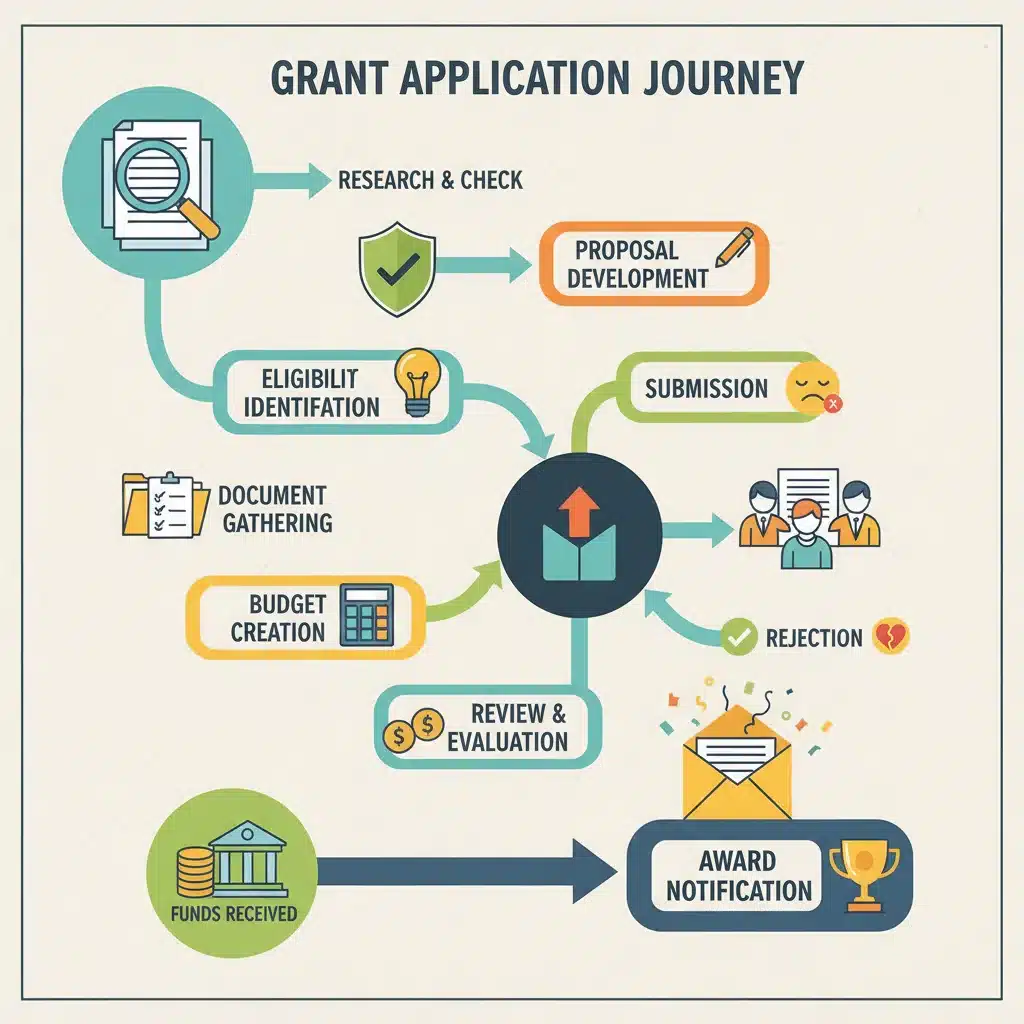
Tips for a Successful Federal Grant Application in 2026
A well-prepared application can make all the difference. Here are some strategic tips for adult learners aiming to secure Federal Grants Adult Learners in 2026:
- Apply Early: As mentioned, some federal and many state/institutional funds are limited. Submitting your FAFSA and any other required applications as soon as they become available significantly increases your chances.
- Be Thorough and Accurate: Double-check all information on your FAFSA and other application forms. Errors can delay processing or lead to a rejection. Use your official tax documents for income information to ensure accuracy.
- Understand Your Independent Student Status: Most adult learners qualify as independent students. This means you won’t need to provide parental financial information, which can simplify the FAFSA and potentially increase your eligibility for need-based aid. Understand the criteria for independent student status (e.g., age, marital status, veteran status, having dependents).
- Communicate with Financial Aid Offices: Establish a relationship with the financial aid office at your chosen institution. They are a valuable resource for understanding specific grant opportunities, deadlines, and any institutional-specific requirements. They can also provide guidance on navigating the FAFSA.
- Explore All Grant Types: Don’t just focus on Pell. Research FSEOG, TEACH, and any specialized grants for which you might be eligible. Every dollar of grant money is a dollar you don’t have to repay.
- Maintain Satisfactory Academic Progress: Once you receive grants, you must maintain your school’s Satisfactory Academic Progress (SAP) standards to remain eligible for continued funding. This typically involves maintaining a minimum GPA and completing a certain percentage of attempted credits.
- Consider Vocational and Technical Programs: Many federal grants, including Pell, are applicable to eligible vocational and technical programs, not just traditional four-year degrees. If your career goals align with these paths, explore them as viable options for federal funding.
- Keep Records: Maintain copies of all submitted applications, financial documents, and correspondence with financial aid offices. This can be invaluable if questions or discrepancies arise.
Common Misconceptions About Federal Grants for Adult Learners
There are several myths that can deter adult learners from applying for federal grants. Let’s debunk some of the most common ones:
- “I make too much money to qualify.” While many grants are need-based, there’s no income cut-off to apply for federal student aid. Your eligibility depends on many factors, including your family size, the cost of attendance at your chosen school, and your specific financial situation. Completing the FAFSA is the only way to truly know what you qualify for. Many adult learners are surprised by the aid they receive.
- “Federal grants are only for recent high school graduates.” This is entirely false. Federal student aid programs, including grants, are designed to support a wide range of students, including adult learners returning to school or pursuing higher education for the first time later in life. Age is not a barrier to receiving Federal Grants Adult Learners.
- “I already have a degree, so I can’t get grants.” While Pell Grants are typically for undergraduate students without a bachelor’s degree, there are exceptions. For example, if you’re pursuing a post-baccalaureate teacher certification program, you might still be eligible for Pell. Other grants, like the TEACH Grant, are specifically for those pursuing further education for a teaching career. Always check the specific grant’s criteria.
- “It’s too complicated to apply.” The FAFSA has been streamlined over the years, and numerous resources are available to help you complete it. Don’t let perceived complexity deter you from accessing potentially life-changing funds.
- “I only want to take a few courses, not a full degree.” Eligibility for federal grants generally requires enrollment in an eligible degree or certificate program. However, some programs, even short-term vocational ones, can qualify. Check with your school’s financial aid office about the eligibility of your specific program of study.
Dispelling these myths is crucial for empowering adult learners to confidently pursue Federal Grants Adult Learners and secure the financial support they deserve.
What to Do After Receiving Your Grant Offer
Once your FAFSA is processed and you’ve been accepted into an eligible program, your school’s financial aid office will send you an award letter. This letter will detail the types and amounts of federal aid you’re eligible for, including any grants. Here’s what to do next:
- Review Your Award Letter Carefully: Understand what you’ve been offered. Differentiate between grants (which don’t need to be repaid) and loans (which do).
- Accept or Decline Aid: You usually have the option to accept all, some, or none of the aid offered. For grants, it’s almost always advisable to accept them, as they reduce your out-of-pocket costs.
- Understand Disbursement: Grants are typically disbursed directly to your school to cover tuition and fees. Any remaining funds may be disbursed to you for other educational expenses like books, supplies, and living costs. Understand your school’s disbursement schedule.
- Stay Enrolled and Maintain SAP: As previously mentioned, continued eligibility for grants depends on your enrollment status and maintaining Satisfactory Academic Progress. Dropping below a certain credit load or failing to meet academic standards can result in losing future grant eligibility or even having to repay a portion of the grant.
- Reapply Annually: Remember that federal financial aid, including grants, is typically awarded for one academic year at a time. You will need to complete the FAFSA annually to be considered for Federal Grants Adult Learners in subsequent years.
Receiving a grant offer is an exciting step on your educational journey. By understanding the terms and conditions, you can effectively manage your financial aid and focus on your studies.
Conclusion: Empowering Your Educational Journey with Federal Grants
The journey of an adult learner is often characterized by determination, resilience, and a clear vision for the future. Financial constraints should not be an insurmountable barrier to achieving your educational and career aspirations. By thoroughly understanding and strategically navigating the world of Federal Grants Adult Learners, you can unlock significant financial support for the 2026 academic year and beyond.
Remember, the key steps are to complete your FAFSA early and accurately, explore all available grant opportunities (federal, state, institutional, and private), maintain open communication with your school’s financial aid office, and remain proactive in your search. Federal grants are designed to invest in your potential, providing a crucial foundation for your academic success without the burden of repayment.
Take the initiative, gather your documents, and confidently apply. Your pursuit of knowledge and personal growth is a valuable endeavor, and with the right financial aid, you can achieve your educational goals and open doors to new opportunities. The 2026 funding cycle is within reach – seize the opportunity to invest in yourself.