
Unlocking Your 2026 Medicare Advantage: How Recent Policy Changes Impact Your Healthcare Coverage and 15% More Savings
The landscape of healthcare is ever-evolving, and for millions of Americans, Medicare Advantage plans represent a critical component of their health and financial well-being. As we look ahead to 2026, significant policy changes are on the horizon for Medicare Advantage 2026, promising both challenges and unprecedented opportunities. These adjustments are designed not only to refine the quality and accessibility of care but also to potentially offer beneficiaries substantial savings, with some estimates suggesting up to 15% or more. Understanding these impending shifts is not just beneficial; it’s essential for making informed decisions about your future healthcare.
Anúncios
This comprehensive guide will delve deep into the specifics of the Medicare Advantage 2026 policy changes. We’ll explore the driving forces behind these reforms, break down how they will directly affect your coverage, and, most importantly, equip you with the knowledge to leverage these changes for maximum benefit. From expanded supplemental benefits to revised cost-sharing mechanisms, preparing now can mean the difference between confusion and confidence when enrollment periods arrive. Let’s embark on this journey to decode the future of your Medicare Advantage plan and unlock a healthier, more affordable tomorrow.
The Foundation of Medicare Advantage: A Brief Overview
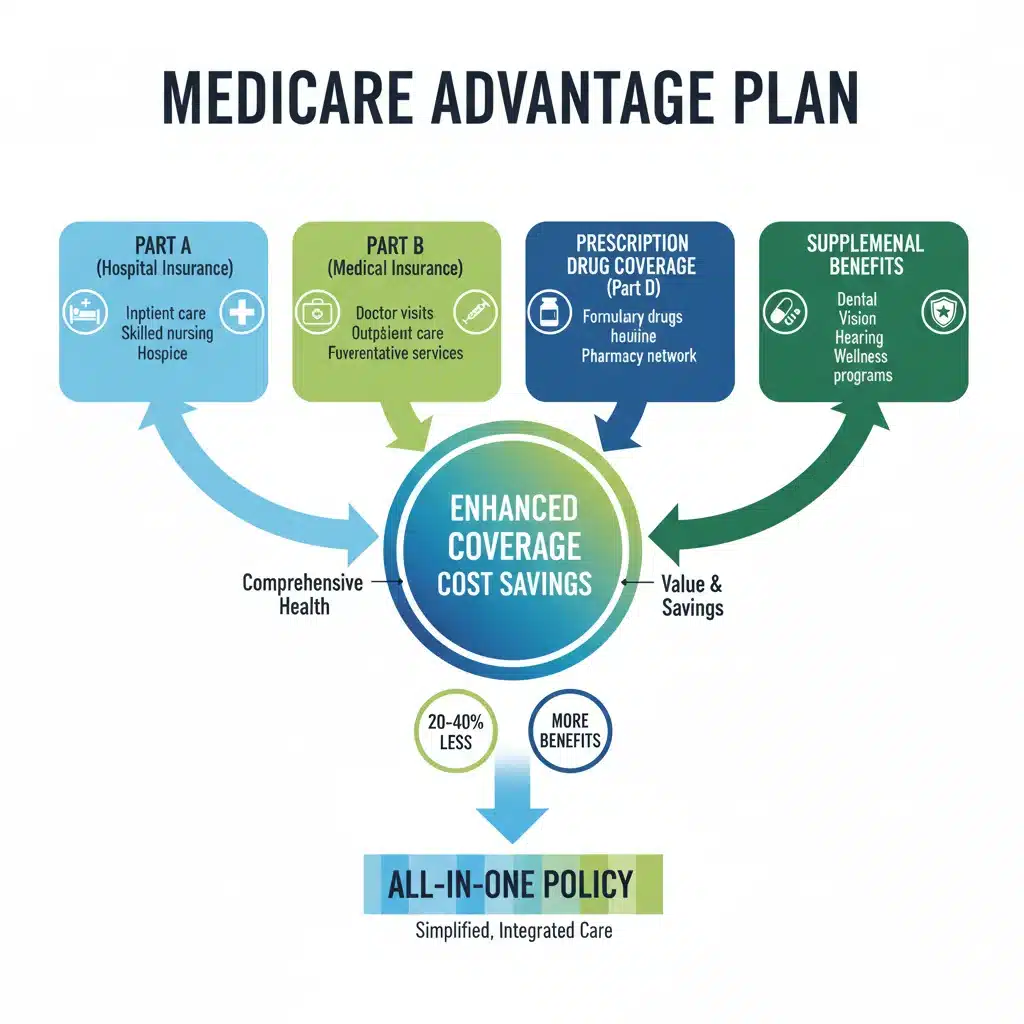
Before we dive into the intricacies of Medicare Advantage 2026, it’s crucial to understand what Medicare Advantage (Part C) entails. Unlike Original Medicare (Parts A and B), which is administered directly by the government, Medicare Advantage plans are offered by private insurance companies approved by Medicare. These plans bundle your Part A (hospital insurance), Part B (medical insurance), and often Part D (prescription drug coverage) into one comprehensive package. Many also offer additional benefits not covered by Original Medicare, such as vision, dental, hearing, and wellness programs.
Anúncios
The appeal of Medicare Advantage lies in its convenience and often its expanded benefits. However, it’s a dynamic system, subject to regular reviews and adjustments by the Centers for Medicare & Medicaid Services (CMS) and congressional mandates. These adjustments aim to ensure the program remains sustainable, equitable, and responsive to the evolving healthcare needs of the senior population. The upcoming 2026 changes are a testament to this ongoing commitment to improvement and adaptation, particularly focusing on value-based care and beneficiary empowerment. Understanding this foundational structure is the first step toward appreciating the impact of the new policies.
Key Drivers Behind the 2026 Medicare Advantage Policy Changes
Several significant factors are propelling the policy shifts expected for Medicare Advantage 2026. These drivers reflect a broader national push towards more integrated, patient-centric, and cost-effective healthcare solutions. By understanding these underlying motivations, beneficiaries can better grasp the rationale behind the changes and anticipate their long-term implications.
1. Focus on Value-Based Care and Outcomes
A primary driver is the continued emphasis on value-based care. Instead of the traditional fee-for-service model, where providers are paid for each service rendered, value-based care links payments to the quality of care provided and patient outcomes. For Medicare Advantage 2026, this means plans will be incentivized more strongly to focus on preventive care, chronic disease management, and coordinating care to prevent hospital readmissions and improve overall health. This shift aims to reduce unnecessary spending while enhancing the health status of beneficiaries.
2. Addressing Health Equity and Social Determinants of Health
There’s a growing recognition that health outcomes are heavily influenced by social determinants of health (SDOH), such as access to healthy food, safe housing, and transportation. The Medicare Advantage 2026 policies are expected to further integrate these considerations, allowing plans greater flexibility to offer supplemental benefits that address SDOH. This could include benefits like healthy food stipends, transportation to medical appointments, or even home modifications for safety. The goal is to reduce health disparities and ensure all beneficiaries, regardless of their socioeconomic status, have the support they need to maintain their health.
3. Enhancing Transparency and Consumer Choice
CMS is continually working to make healthcare choices clearer and more accessible. For Medicare Advantage 2026, this translates into policies that promote greater transparency regarding plan benefits, costs, and provider networks. Enhanced reporting requirements and standardized comparison tools are likely to be introduced or strengthened, empowering beneficiaries to make more informed decisions when selecting a plan. The aim is to simplify the enrollment process and ensure individuals can easily find a plan that best fits their unique needs and preferences.
4. Fiscal Sustainability and Program Integrity
Maintaining the long-term fiscal health of the Medicare program is always a priority. Policy changes for Medicare Advantage 2026 will also reflect efforts to ensure program integrity and combat fraud, waste, and abuse. This might involve stricter oversight of plan operations, revised payment methodologies, and enhanced auditing processes. While these measures are primarily administrative, they contribute to the overall stability of the program, which indirectly benefits beneficiaries through sustained access to quality care and potentially lower costs.
By understanding these foundational drivers, beneficiaries can better appreciate the holistic approach behind the Medicare Advantage 2026 changes and how they are designed to create a more efficient, equitable, and effective healthcare system for seniors.
Direct Impact on Your Healthcare Coverage and Benefits
The most pressing question for current and prospective beneficiaries is: how will these Medicare Advantage 2026 changes directly affect my coverage and the benefits I receive? While the exact details will crystallize closer to the effective date, several areas are anticipated to see significant modifications.
1. Expanded Supplemental Benefits
One of the most exciting prospects for Medicare Advantage 2026 is the potential for further expansion of supplemental benefits. Building on previous years’ flexibilities, plans may have even more leeway to offer non-primarily health-related benefits that address social determinants of health. This could mean:
- Enhanced Food Programs: Beyond existing meal delivery, expect more comprehensive food stipends or access to healthy food networks.
- Increased Transportation Services: Greater coverage for rides to doctor’s appointments, pharmacies, and even grocery stores.
- Home Safety and Support: Broader coverage for home modifications (e.g., grab bars, ramps) or in-home support services to prevent falls and promote independent living.
- Personalized Care Management: More robust programs for chronic condition management, including access to health coaches or dedicated care coordinators.
These benefits are designed to provide holistic support, recognizing that health extends beyond the doctor’s office. The flexibility for plans to tailor these offerings means you could find a plan that truly meets your specific lifestyle and health needs.
2. Refined Cost-Sharing and Premiums
The promise of "15% more savings" with Medicare Advantage 2026 is a significant highlight. This doesn’t necessarily mean every plan will automatically reduce its premium by 15%, but rather that the overall structure of costs—including premiums, deductibles, copayments, and coinsurance—is being optimized for greater beneficiary value. Potential changes could include:
- Lower Out-of-Pocket Maximums: Some plans might offer reduced annual limits on what you pay for covered services, providing greater financial predictability.
- Tiered Cost-Sharing for Specific Services: Adjustments to how much you pay for certain specialty drugs or services, potentially lowering costs for high-utilization areas.
- Incentives for Healthy Behaviors: Plans might offer reduced copays or other financial perks for participating in wellness programs or achieving health goals.
- Premium Adjustments: While premiums are plan-specific, the overall regulatory environment for Medicare Advantage 2026 is geared towards encouraging plans to offer competitive options, which could lead to more affordable choices for many.
It will be crucial to carefully compare plan details during the Annual Enrollment Period to identify the options that offer the best combination of coverage and cost-efficiency for your individual situation.
3. Network Changes and Provider Access
As plans adapt to value-based care models, there might be shifts in provider networks for Medicare Advantage 2026. Plans will likely seek to partner with providers who demonstrate high-quality outcomes and efficient care delivery. This could mean:
- Optimized Provider Networks: Networks might be refined to include providers committed to coordinated care, potentially leading to better integrated health services.
- Telehealth Expansion: Further integration and coverage of telehealth services are expected, enhancing access to care, especially for those in rural areas or with mobility challenges.
- Specialty Care Access: Policies might encourage plans to ensure robust access to specialty care, addressing potential gaps that some beneficiaries experience.
If you have specific doctors or specialists you wish to retain, verifying their inclusion in your chosen Medicare Advantage 2026 plan’s network will be a critical step during enrollment.
4. Prescription Drug Coverage Enhancements (Part D Integration)
Given that most Medicare Advantage plans include prescription drug coverage (MAPD plans), changes to Part D policies will also impact Medicare Advantage 2026. While the Inflation Reduction Act of 2022 already brought significant changes to Part D, further refinements could focus on:
- Lowering Drug Costs: Continued efforts to cap out-of-pocket prescription drug costs and negotiate lower prices.
- Expanded Formularies: Plans might be incentivized to offer broader drug formularies to cover a wider range of medications.
- Medication Therapy Management: Enhanced programs to help beneficiaries manage complex medication regimens and avoid adverse drug interactions.
The goal is to make prescription drugs more affordable and accessible, contributing to the overall "15% more savings" potential.
Strategies to Maximize Your Savings with Medicare Advantage 2026
The promise of "15% more savings" with Medicare Advantage 2026 is not an automatic guarantee; it requires proactive engagement and informed decision-making. Here are actionable strategies to help you unlock the full potential of these new policies and optimize your healthcare spending.
1. Thorough Plan Comparison During Annual Enrollment
This is arguably the most critical step. The Annual Enrollment Period (AEP), typically from October 15 to December 7 each year, is your window to review and change your Medicare Advantage plan. For Medicare Advantage 2026, it will be more important than ever to:
- Utilize Official Resources: Start with Medicare.gov’s Plan Finder tool, which will be updated with 2026 plan details.
- Compare All Costs: Look beyond just the monthly premium. Consider deductibles, copayments for doctor visits and specialists, coinsurance for hospital stays, and the annual out-of-pocket maximum. The true "savings" often come from reduced out-of-pocket expenses for services you actually use.
- Assess Prescription Drug Coverage: If your plan includes Part D, check the formulary to ensure your specific medications are covered and at a reasonable cost. Use the Plan Finder to input your prescriptions and compare costs across different plans.
2. Understand New Supplemental Benefits and Utilize Them
The expanded supplemental benefits for Medicare Advantage 2026 are a key avenue for savings and improved quality of life. Don’t overlook these "extra" perks:
- Identify Relevant Benefits: Does your plan offer transportation to appointments, healthy food allowances, gym memberships, or in-home support? Choose a plan whose supplemental benefits align with your lifestyle and needs.
- Actively Use Your Benefits: These benefits only save you money if you use them. If your plan offers a dental allowance, schedule those cleanings. If it provides a fitness membership, go to the gym. These can reduce out-of-pocket expenses for services you would otherwise pay for.
- Verify Eligibility and Usage: Understand the specific rules for using each supplemental benefit. Are there limits? Do you need prior authorization?
3. Optimize Your Provider Network Choices
Your choice of network can significantly impact your out-of-pocket costs and access to care under Medicare Advantage 2026:
- Confirm Your Doctors: Before enrolling, verify that your current primary care physician and specialists are in the plan’s network. Out-of-network care can be substantially more expensive or not covered at all.
- Consider Telehealth Options: If telehealth is a priority, ensure the plan offers robust, covered telehealth services with providers you prefer.
- Geographic Coverage: If you travel frequently or split your time between different locations, check the plan’s coverage area and out-of-area emergency care policies.
4. Proactive Health Management and Preventive Care
The shift towards value-based care in Medicare Advantage 2026 means plans are incentivized to keep you healthy. Take advantage of this:
- Utilize Preventive Services: Get your annual wellness visit, recommended screenings, and vaccinations. These are typically covered at 100% and can prevent more serious, costly health issues down the line.
- Engage in Wellness Programs: If your plan offers chronic disease management programs, health coaching, or fitness incentives, participate. These can improve your health and potentially reduce your need for more expensive interventions.
5. Seek Expert Advice
Navigating the complexities of Medicare Advantage 2026 can be daunting. Don’t hesitate to seek assistance:
- Consult with a Licensed Medicare Broker: Independent brokers can compare multiple plans from various carriers, helping you find the best fit for your needs and budget without bias.
- Contact SHIP (State Health Insurance Assistance Programs): These programs offer free, unbiased counseling to Medicare beneficiaries.
By actively engaging with these strategies, you can position yourself to fully benefit from the Medicare Advantage 2026 policy changes, potentially realizing significant savings and enjoying enhanced healthcare coverage.

Potential Challenges and How to Navigate Them
While the Medicare Advantage 2026 changes offer exciting opportunities for enhanced coverage and savings, it’s also prudent to be aware of potential challenges and how to effectively navigate them. Being prepared can help ensure a smooth transition and continuous access to quality care.
1. Information Overload and Complexity
With new benefits, refined cost structures, and potentially updated networks, the sheer volume of information surrounding Medicare Advantage 2026 can be overwhelming. Each plan is unique, and comparing them meticulously can feel like a full-time job.
- Solution: Break it Down. Focus on key areas that matter most to you: your doctors, your medications, and your budget. Use comparison tools provided by Medicare.gov or reputable brokers to filter options. Don’t try to absorb everything at once.
- Solution: Utilize Support Systems. As mentioned, licensed brokers and SHIP counselors are invaluable resources. They are trained to simplify complex information and help you understand the nuances of different plans.
2. Network Changes and Provider Disruption
As plans adjust to value-based care and optimize their networks for Medicare Advantage 2026, there’s a possibility that your current doctors or specialists might no longer be in-network with your preferred plan, or a new plan you’re considering. This can be a significant source of concern for beneficiaries who have established relationships with their healthcare providers.
- Solution: Verify Annually. Always check your doctors’ network status when evaluating new plans or reviewing your existing one during AEP. Don’t assume.
- Solution: Communicate with Providers. Talk to your doctors’ offices. They often have information about which Medicare Advantage plans they are contracting with for the upcoming year.
- Solution: Explore Transition of Care. If you must switch providers, ask your new plan about transition-of-care policies, which may allow you to continue seeing an out-of-network provider for a limited time, especially if you’re undergoing active treatment.
3. Understanding the "15% More Savings"
The promise of "15% more savings" is an aggregate potential, not a guaranteed across-the-board reduction in premiums for every individual. It reflects a combination of factors, including lower out-of-pocket costs, expanded covered benefits (like dental or vision that you might otherwise pay for), and efficient care delivery.
- Solution: Focus on Total Value. Instead of fixating on a single percentage, look at the overall value proposition of each plan. How much will you save on premiums, deductibles, and copays? What value do the supplemental benefits bring to your life?
- Solution: Personalize Your Calculation. Estimate your typical healthcare utilization. If you rarely visit the doctor, a plan with a higher deductible but lower premium might be more cost-effective. If you have chronic conditions, a plan with strong chronic care management and lower copays for specialists could lead to greater savings.
4. Adapting to New Benefit Structures
The introduction of new or expanded benefits, particularly those addressing social determinants of health, might require beneficiaries to learn new processes or access points.
- Solution: Read Plan Documents Carefully. Your plan’s Evidence of Coverage (EOC) and Summary of Benefits will detail how to access and utilize all benefits, including the new ones.
- Solution: Contact Member Services. If you have questions about how to use a specific benefit (e.g., how to get your healthy food allowance or arrange transportation), your plan’s member services line is there to help.
By anticipating these potential hurdles and proactively seeking solutions, beneficiaries can confidently navigate the changes in Medicare Advantage 2026 and ensure their healthcare coverage continues to meet their needs effectively.
The Broader Implications of Medicare Advantage 2026 for the Healthcare System
The policy shifts for Medicare Advantage 2026 extend beyond individual beneficiaries, carrying significant implications for the broader healthcare system. These changes are part of a larger strategic vision by CMS to evolve Medicare into a more efficient, equitable, and outcomes-driven program. Understanding these macro-level effects provides a fuller picture of why these reforms are so important.
1. Driving Innovation Among Plans and Providers
The increased emphasis on value-based care and addressing social determinants of health incentivizes Medicare Advantage plans to innovate. To remain competitive and meet new regulatory requirements, plans will need to develop more sophisticated care coordination models, invest in data analytics to identify and support high-risk members, and forge stronger partnerships with community organizations. This competitive environment fostered by Medicare Advantage 2026 pushes plans to offer more attractive and comprehensive benefit packages, ultimately benefiting consumers.
2. Greater Integration of Health and Social Services
By allowing and encouraging plans to offer benefits that address SDOH, Medicare Advantage 2026 is accelerating the integration of healthcare with social services. This means a more holistic approach to health, where factors like food security, housing stability, and access to transportation are recognized as integral to clinical outcomes. This paradigm shift could lead to better overall population health, especially for vulnerable populations, and a more efficient allocation of resources across the health and social care sectors.
3. Pressure on Provider Systems for Quality and Efficiency
The focus on outcomes and value means that healthcare providers (hospitals, doctors’ groups, clinics) will face continued pressure to demonstrate quality and efficiency. Plans will likely favor providers who excel in these areas. This could lead to further consolidation of provider networks or the formation of Accountable Care Organizations (ACOs) that can better coordinate care and manage populations. For beneficiaries, this generally means a higher standard of care, but it also underscores the importance of checking network affiliations for Medicare Advantage 2026 plans.
4. Potential for Long-Term Cost Containment
While the immediate focus is on beneficiary savings, the underlying goal of value-based care and preventive health is long-term cost containment for the entire Medicare program. By preventing chronic conditions from worsening, reducing unnecessary hospitalizations, and promoting healthier lifestyles, the Medicare Advantage 2026 policies aim to reduce the overall burden on the healthcare system. If successful, this could contribute to the sustainability of Medicare for future generations.
5. Enhanced Data Collection and Analysis
To effectively implement and evaluate these policy changes, there will be an increased need for robust data collection and analysis. Plans will likely be required to report on a wider range of metrics related to health outcomes, beneficiary satisfaction, and the impact of supplemental benefits. This data will be crucial for CMS to refine future policies and ensure that Medicare Advantage 2026 and subsequent iterations continue to serve beneficiaries effectively and efficiently.
In essence, the Medicare Advantage 2026 policy changes are not just minor adjustments; they represent a significant stride towards a more integrated, proactive, and value-driven healthcare system. For beneficiaries, this translates into a powerful opportunity to receive more comprehensive care and achieve greater financial savings.
Conclusion: Preparing for a Healthier, More Affordable 2026
The upcoming Medicare Advantage 2026 policy changes are poised to reshape the landscape of healthcare for millions of Americans. With an intensified focus on value-based care, expanded supplemental benefits addressing social determinants of health, and a concerted effort to enhance transparency and affordability, these reforms present a unique opportunity for beneficiaries to secure better coverage and potentially achieve significant savings, up to 15% or more.
Navigating these changes successfully hinges on proactive engagement and informed decision-making. As the Annual Enrollment Period approaches, it will be critical to:
- Stay Informed: Continuously seek updated information from official sources like Medicare.gov and reputable healthcare news outlets.
- Evaluate Your Needs: Take stock of your current health status, prescription drug requirements, and lifestyle to determine which plan features and supplemental benefits will offer the most value.
- Compare Plans Diligently: Look beyond just the premium. Analyze total out-of-pocket costs, provider networks, and the full spectrum of benefits offered by each Medicare Advantage 2026 plan.
- Seek Expert Guidance: Don’t hesitate to consult with licensed Medicare brokers or State Health Insurance Assistance Programs (SHIP) for personalized, unbiased advice.
The promise of Medicare Advantage 2026 is a future where healthcare is not only more accessible and comprehensive but also more aligned with individual needs and financial realities. By taking the necessary steps now, you can position yourself to fully leverage these exciting developments, ensuring a healthier and more affordable healthcare journey in the years to come. Your health and financial well-being are paramount, and understanding these changes is your key to unlocking the best possible future with Medicare Advantage.