US Data Privacy Laws: Navigating 2026 Regulatory Changes
Anúncios
Regulatory Watch: Upcoming Changes to Data Privacy Laws in the US for Late 2026 – A Comprehensive Overview
Anúncios
The landscape of data privacy in the United States is in a constant state of evolution, with significant legislative shifts on the horizon. Businesses, consumers, and policymakers alike are keenly observing the developments, particularly as we approach late 2026, a period anticipated to bring forth substantial US data privacy changes. These impending regulations are not merely minor adjustments but rather comprehensive overhauls designed to enhance consumer rights, impose stricter obligations on data processors, and harmonize, to some extent, the patchwork of state-level privacy laws that currently define the American data protection environment. Understanding these forthcoming changes is not just about compliance; it’s about safeguarding trust, mitigating risks, and positioning your organization for future success in an increasingly data-centric world. This comprehensive overview aims to dissect the anticipated regulatory framework, explore its potential impact, and provide actionable insights for businesses to prepare effectively.
The Current Fragmented US Data Privacy Landscape
Before delving into the future, it’s crucial to understand the present. Unlike the European Union’s unified General Data Protection Regulation (GDPR), the US currently operates under a sector-specific and state-by-state approach to data privacy. Key federal laws like HIPAA (for health information) and COPPA (for children’s online privacy) address specific areas, but a comprehensive federal data privacy law akin to GDPR has remained elusive. This has led to a proliferation of state-level legislation, with California’s CCPA (California Consumer Privacy Act) and its successor, the CPRA (California Privacy Rights Act), leading the charge. Other states, including Virginia (VCDPA), Colorado (CPA), Utah (UCPA), and Connecticut (CTDPA), have followed suit, each introducing their own nuances regarding consumer rights, data processing obligations, and enforcement mechanisms. This fragmented approach presents a significant challenge for businesses operating nationally, requiring them to navigate a complex web of differing requirements, definitions, and enforcement provisions. The administrative burden and potential for conflicting obligations underscore the urgent need for a more cohesive national strategy, which the anticipated 2026 US data privacy changes aim to address.
Key State Privacy Laws and Their Influence
- California Consumer Privacy Act (CCPA) / California Privacy Rights Act (CPRA): Often considered the benchmark for US state privacy laws, the CCPA, strengthened by the CPRA, grants consumers extensive rights over their personal information, including the right to know, delete, opt-out of sales, and correct inaccurate data. It also established the California Privacy Protection Agency (CPPA) for enforcement.
- Virginia Consumer Data Protection Act (VCDPA): Similar to CCPA/CPRA in scope, but with some key differences, such as a more limited definition of ‘sale’ and an opt-out rather than opt-in consent model for certain processing activities.
- Colorado Privacy Act (CPA): Grants similar rights to consumers and imposes obligations on controllers and processors, with a focus on sensitive data and universal opt-out mechanisms.
- Utah Consumer Privacy Act (UCPA): Generally considered more business-friendly, with a narrower scope and different enforcement mechanisms.
- Connecticut Data Privacy Act (CTDPA): Closely aligns with the VCDPA and CPA, demonstrating a growing consensus among states on core privacy principles.
The collective experience and challenges presented by these state laws are invaluable in shaping the discourse around a potential federal data privacy framework. Lessons learned from their implementation, enforcement, and the compliance efforts of businesses will undoubtedly inform the structure and provisions of any new national legislation. The goal is to move beyond this patchwork towards a more unified, yet robust, approach to data protection that protects consumers while providing clarity for businesses. This is the ultimate aspiration behind the upcoming US data privacy changes.
Anúncios
Anticipated Federal Data Privacy Legislation: What to Expect by Late 2026
While the exact contours of a federal data privacy law remain subject to legislative debate and negotiation, several key themes and provisions are widely expected to form the bedrock of any new framework by late 2026. The discussions in Congress have consistently revolved around establishing comprehensive consumer rights, defining clear obligations for data collectors and processors, and creating a unified enforcement mechanism. The push for these US data privacy changes is driven by both consumer advocacy groups demanding stronger protections and businesses seeking regulatory certainty.
Key Pillars of Expected Federal Legislation:
- Comprehensive Consumer Rights: A federal law is highly likely to enshrine a consistent set of consumer rights across all states. These will likely include:
- Right to Know: The right for individuals to know what personal data is being collected about them, how it’s used, and with whom it’s shared.
- Right to Access: The ability to access their personal data held by organizations.
- Right to Correct/Rectify: The right to request corrections of inaccurate personal data.
- Right to Delete: The right to request the deletion of personal data, with certain exceptions.
- Right to Opt-Out: The right to opt-out of the sale or sharing of personal data for targeted advertising, and potentially profiling.
- Right to Data Portability: The right to receive their personal data in a structured, commonly used, and machine-readable format.
- Data Minimization and Purpose Limitation: Businesses will likely be required to collect only the personal data that is necessary for a specific, legitimate purpose and not process it further in a manner incompatible with those purposes.
- Security Requirements: Stronger mandates for organizations to implement reasonable security measures to protect personal data from unauthorized access, use, disclosure, alteration, or destruction.
- Data Protection Assessments (DPAs): Requirements for businesses to conduct impact assessments for high-risk data processing activities.
- Universal Opt-Out Mechanisms: A potential mandate for a standardized, easily accessible mechanism allowing consumers to opt out of certain data processing activities across multiple websites and services.
- Accountability and Governance: Provisions requiring organizations to demonstrate compliance through internal policies, records of processing activities, and potentially the designation of a data protection officer for certain entities.
- Preemption of State Laws: One of the most contentious aspects will be the extent to which a federal law preempts existing state data privacy laws. While some degree of preemption is expected to create a more uniform national standard, the exact balance between federal and state authority will be critical.
The legislative journey is complex, involving diverse stakeholders with differing interests. However, the momentum towards significant US data privacy changes at the federal level by late 2026 is undeniable. Businesses must closely monitor these developments, as the details will significantly influence their compliance strategies.
Impact on Businesses: Operational and Strategic Implications
The impending US data privacy changes will necessitate a profound re-evaluation of data handling practices across virtually all sectors. The impact will extend beyond legal departments, touching IT infrastructure, marketing strategies, customer service, and even product development. Businesses that proactively prepare will be better positioned to adapt, maintain customer trust, and avoid costly penalties.
Key Areas of Impact:
- Data Inventory and Mapping: Organizations will need a precise understanding of what personal data they collect, where it’s stored, how it’s used, and with whom it’s shared. This often requires comprehensive data inventory and mapping exercises, which can be resource-intensive but are foundational for compliance.
- Consent Management: The requirements for obtaining and managing consent are likely to become more stringent, particularly for sensitive data and certain marketing activities. Businesses will need robust consent management platforms and clear, transparent consent notices.
- Consumer Request Fulfillment: Establishing efficient and verifiable processes for handling consumer requests (e.g., access, deletion, correction, opt-out) will be critical. This includes developing clear communication channels, identity verification procedures, and timely response mechanisms.
- Vendor and Third-Party Risk Management: Organizations are often accountable for the data processing activities of their vendors and third parties. New regulations will likely require more rigorous due diligence, contractual obligations, and ongoing monitoring of data processors to ensure they meet privacy standards.
- Security Enhancements: While many businesses already prioritize data security, the new federal framework may introduce specific technical and organizational security measures, requiring updates to existing cybersecurity protocols and infrastructure.
- Training and Awareness: Employees at all levels will need training on new privacy policies, procedures, and their roles in protecting personal data. A culture of privacy within the organization will be paramount.
- Data Governance and Accountability: Implementing robust data governance frameworks, including internal policies, record-keeping, and potentially privacy impact assessments, will be essential to demonstrate compliance.
- Marketing and Advertising Practices: Targeted advertising and data monetization strategies will likely face increased scrutiny, requiring businesses to re-evaluate their approaches to data collection for these purposes and ensure alignment with opt-out rights and consent requirements.

The financial implications cannot be overlooked. Non-compliance can lead to significant fines, reputational damage, and potential legal action. Businesses should budget for necessary technology upgrades, legal counsel, and employee training to navigate these US data privacy changes successfully.
Strategies for Proactive Compliance and Risk Mitigation
Given the certainty of upcoming US data privacy changes, a proactive approach is not just advisable; it’s imperative. Businesses that begin preparing now will have a significant advantage in achieving compliance efficiently and effectively, minimizing disruption, and maintaining consumer trust. Here are strategic steps to consider:
1. Conduct a Comprehensive Data Audit:
The first step in any privacy compliance journey is to understand your data. This involves:
- Identify Personal Data: Pinpoint all personal data collected, processed, and stored by your organization. This includes customer data, employee data, website visitor data, and more.
- Map Data Flows: Document where data originates, how it moves through your systems, where it is stored, and with whom it is shared (internal departments, third-party vendors, etc.).
- Assess Data Purpose and Retention: Determine the legitimate purpose for collecting each type of data and establish clear data retention policies in line with legal requirements.
2. Review and Update Privacy Policies and Notices:
Your public-facing privacy policies and internal privacy notices must be transparent, easily understandable, and accurately reflect your data processing activities. Ensure they clearly articulate consumer rights and how individuals can exercise them. These will undoubtedly need updates in light of the US data privacy changes.
3. Enhance Consent Management Frameworks:
If your business relies on consent for data processing, review your current mechanisms. Ensure they are granular, unambiguous, easily withdrawable, and compliant with anticipated stricter requirements. Implement robust systems for recording and managing consent preferences.
4. Strengthen Data Security Measures:
While privacy focuses on how data is used, security focuses on protecting it. Robust security measures are a cornerstone of privacy compliance. This includes:
- Encryption: Encrypting data at rest and in transit.
- Access Controls: Implementing strong authentication and authorization controls.
- Incident Response Plan: Developing and regularly testing a comprehensive data breach incident response plan.
- Regular Audits: Conducting regular security assessments and penetration testing.
5. Vet Third-Party Vendors and Service Providers:
Your privacy obligations extend to your vendors. Review existing contracts to ensure they include adequate data protection clauses and conduct due diligence on new vendors to verify their privacy and security practices. Update Data Processing Agreements (DPAs) as needed to reflect new regulatory requirements from the US data privacy changes.
6. Establish Consumer Request Fulfillment Processes:
Develop clear, efficient, and well-documented procedures for handling consumer requests related to their data rights. This includes verifying the identity of the requester, locating and retrieving their data, and responding within specified timeframes. Consider automated solutions to manage these requests effectively.
7. Invest in Employee Training and Awareness:
Human error remains a leading cause of data breaches. Regular and comprehensive training for all employees on data privacy principles, organizational policies, and their specific responsibilities is crucial. Foster a privacy-aware culture throughout the organization.
8. Designate a Privacy Lead or Officer:
For many organizations, appointing a dedicated individual or team to oversee privacy compliance, monitor regulatory developments, and serve as a point of contact for privacy matters will be beneficial, if not mandatory.
9. Monitor Legislative Developments:
Stay informed about the ongoing legislative process. Engage with legal counsel and privacy experts to understand the final provisions of any federal law and how it will interact with existing state laws. This continuous monitoring is key to adapting to the US data privacy changes as they solidify.
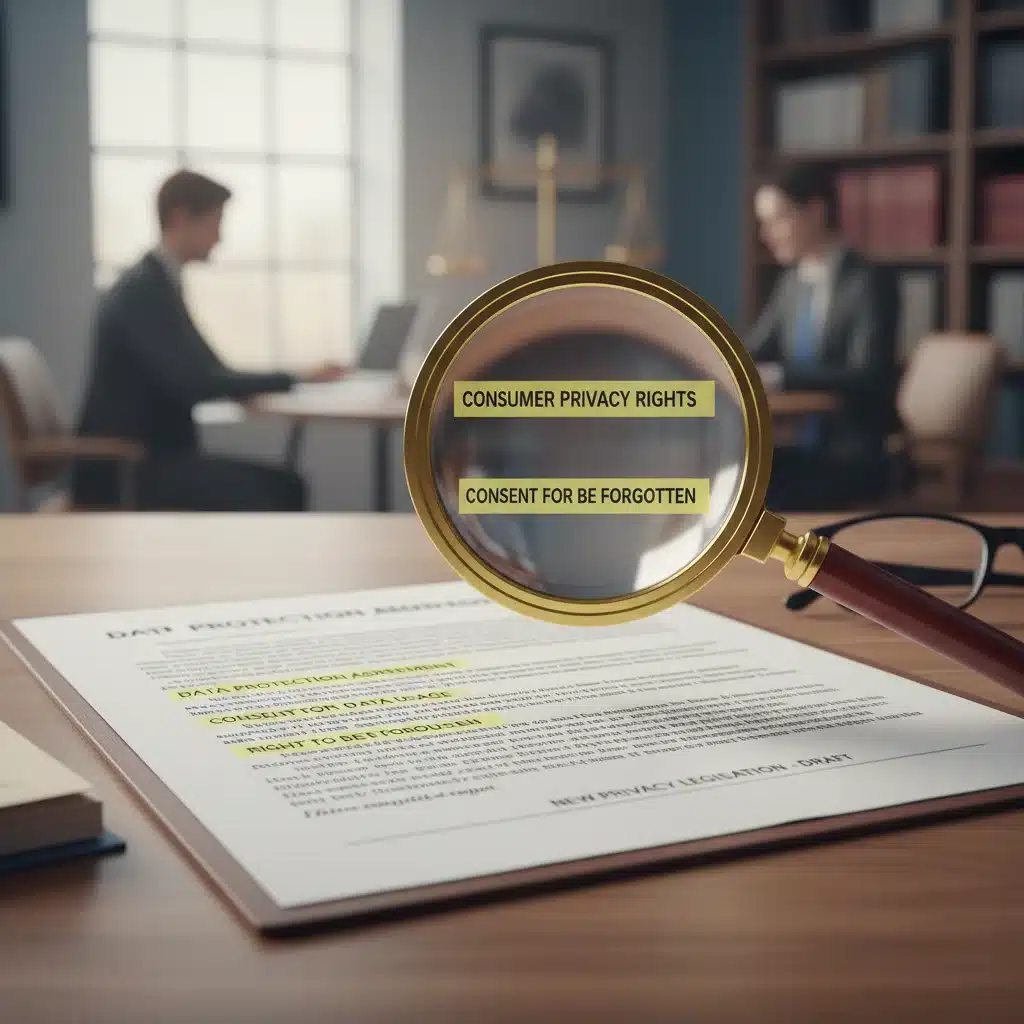
Challenges and Opportunities for Businesses
While the impending US data privacy changes present significant compliance challenges, they also open doors to new opportunities for businesses willing to embrace privacy as a core value. The initial investment in compliance infrastructure and legal review can be substantial, particularly for small and medium-sized enterprises (SMEs) that may lack dedicated privacy teams. The complexity of mapping data flows, updating legacy systems, and retraining staff can be daunting. Furthermore, the ongoing debate about federal preemption of state laws could lead to continued uncertainty if the new legislation doesn’t provide a clear, unified standard, potentially extending the fragmented compliance burden.
However, these challenges are balanced by compelling opportunities. Prioritizing data privacy can significantly enhance consumer trust and brand reputation. In an era where data breaches are common and consumers are increasingly aware of their digital rights, a strong commitment to privacy can be a powerful differentiator. Businesses that are transparent about their data practices and empower consumers with control over their information are likely to foster greater loyalty and positive sentiment. Moreover, a unified federal standard, once established, could simplify compliance for businesses operating across multiple states, reducing the administrative burden and legal costs associated with navigating disparate state laws. This harmonization could also foster innovation by providing a clearer regulatory sandbox for new data-driven products and services. Finally, robust privacy practices often go hand-in-hand with better data governance, leading to improved data quality, more efficient data management, and a clearer understanding of an organization’s most valuable asset: its information. Embracing these US data privacy changes is not just about avoiding penalties; it’s about building a more resilient, trustworthy, and efficient business.
The Road Ahead: Preparing for a New Data Privacy Era
The journey towards a more unified and robust data privacy framework in the US is well underway, with late 2026 marking a critical juncture for anticipated US data privacy changes. The transition will undoubtedly require significant effort and investment from businesses of all sizes and sectors. However, viewing these changes not as mere regulatory hurdles but as an opportunity to strengthen customer relationships, enhance operational efficiency, and build a more ethical data ecosystem is key to long-term success.
By proactively conducting data audits, updating policies, enhancing security, and fostering a culture of privacy, organizations can navigate the complexities of the new regulatory landscape with confidence. The future of data privacy in the US promises to be more structured and consumer-centric, demanding a higher level of accountability from businesses. Those who embrace this shift early will not only ensure compliance but will also emerge as leaders in an economy increasingly defined by trust and responsible data stewardship. The time to prepare for these monumental US data privacy changes is now, ensuring your business is ready for the new era of data protection.