Dependent Care Benefits 2026: The 3-Month Lookback You Can’t Afford to Miss

Anúncios
The 3-Month Lookback: Are You Missing Out on New Dependent Care Benefits for 2026?
Anúncios
As we navigate the complexities of modern family life, the costs associated with caring for dependents — whether young children, elderly parents, or individuals with disabilities — continue to rise. For many working families, these expenses represent a significant portion of their budget. Fortunately, various government programs and employer-sponsored plans offer avenues for financial relief. Among these, dependent care benefits stand out as a critical tool for tax savings. With 2026 on the horizon, a specific provision, often referred to as the “3-month lookback,” is gaining traction and could significantly alter how you plan for and utilize these benefits. Understanding this nuanced rule is not just about compliance; it’s about maximizing your financial well-being and ensuring you don’t leave valuable savings on the table.
This comprehensive guide delves deep into the world of dependent care benefits, with a particular focus on the implications and opportunities presented by the 3-month lookback for 2026. We’ll explore what these benefits entail, who qualifies, and how recent changes might affect your eligibility and potential savings. Our goal is to equip you with the knowledge needed to proactively plan, make informed decisions, and ultimately, lighten your financial burden related to dependent care. Don’t wait until it’s too late; a proactive approach now can yield substantial benefits in the coming years.
Understanding Dependent Care Benefits: A Foundation for Savings
Before we dissect the specifics of the 2026 changes and the 3-month lookback, it’s essential to have a solid understanding of what dependent care benefits are and how they typically function. At its core, dependent care benefits refer to tax-advantaged ways for working individuals and families to pay for the care of eligible dependents. These benefits are designed to help alleviate the financial strain of ensuring dependents are looked after while you work or seek employment.
Anúncios
What Qualifies as Dependent Care?
Generally, eligible dependent care expenses include costs for services that allow you (and your spouse, if filing jointly) to work or look for work. This can encompass a wide range of services, such as:
- Childcare: Daycare centers, nannies, au pairs, after-school programs, and summer day camps for children under the age of 13.
- Elder Care: Services for an elderly parent or other adult dependent who is physically or mentally incapable of self-care and lives with you for more than half the year.
- Care for Disabled Dependents: Services for a spouse or other dependent (of any age) who is physically or mentally incapable of self-care.
It’s crucial to note that expenses like overnight camps, private school tuition, or medical care are typically not considered eligible dependent care expenses. The primary purpose of the care must be to enable you to work.
Common Avenues for Dependent Care Benefits
There are two primary ways individuals typically access dependent care benefits:
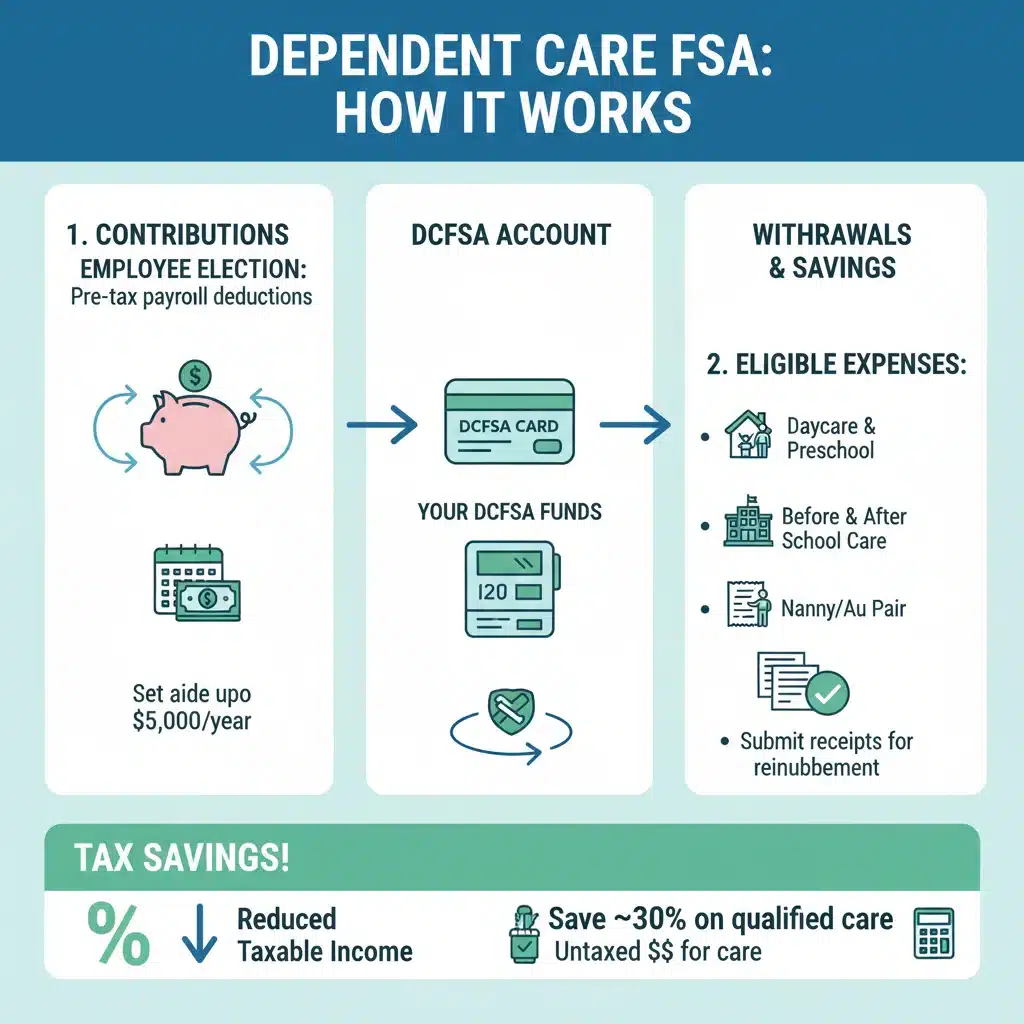
- Dependent Care Flexible Spending Account (DCFSA): Offered by many employers, a DCFSA allows you to set aside pre-tax money from your paycheck to pay for eligible dependent care expenses. This reduces your taxable income, leading to significant tax savings. The maximum contribution limit is set by the IRS and can vary from year to year.
- Child and Dependent Care Credit (CDCC): This is a tax credit you can claim when you file your federal income tax return. Unlike a deduction, which reduces your taxable income, a credit directly reduces the amount of tax you owe. The amount of the credit depends on your income and the amount of your dependent care expenses.
It’s important to understand that you generally cannot “double-dip” by using the same expenses for both a DCFSA and the CDCC. You’ll need to choose the option that provides the greatest benefit for your specific financial situation.
The 3-Month Lookback Rule for 2026: What’s New?
The “3-month lookback” is not an entirely new concept in the realm of employee benefits, but its application and significance for dependent care benefits in 2026 warrant close attention. This rule primarily relates to the eligibility criteria for certain tax-advantaged accounts, including Dependent Care Flexible Spending Accounts (DCFSAs), and how participants can adjust their elections.
The Essence of the 3-Month Lookback
Traditionally, employees elect their DCFSA contributions at the beginning of the plan year, and these elections are generally irrevocable unless there’s a qualifying life event (QLE), such as marriage, divorce, birth of a child, or a change in employment status. The 3-month lookback, in the context of dependent care benefits, refers to a provision that allows for greater flexibility in modifying DCFSA elections under specific circumstances related to a change in care needs or costs.
While the specifics can vary based on employer plan design and evolving IRS guidance, the core idea is that if there is a significant, unforeseen change in your dependent care needs or costs within a three-month window, you might be able to adjust your DCFSA election outside of the traditional QLE framework. This is a significant departure from the “use-it-or-lose-it” nature of FSAs, offering a much-needed safety net for families whose care arrangements are often subject to unpredictable changes.
Why is This Relevant for 2026?
The emphasis on the 3-month lookback for 2026 stems from a broader trend towards making employee benefits more adaptable and responsive to real-world circumstances. The COVID-19 pandemic highlighted the rigidity of many benefit structures, particularly when it came to dependent care, as families faced sudden changes in childcare availability, costs, and work arrangements. In response, temporary flexibilities were introduced, and some of these are now being codified or refined for future years, including 2026.
For 2026, employers and plan administrators are expected to integrate these flexibilities more formally. This means that if your employer adopts these provisions, you could have a wider window and more reasons to adjust your DCFSA contributions mid-year, providing crucial financial agility. This is especially beneficial for families whose care needs are dynamic due to school schedules, changing work hours, or evolving health needs of dependents.
It’s important to stress that the implementation of the 3-month lookback can vary by employer. Not all employers may adopt these provisions, or they might adopt them with specific limitations. Therefore, understanding your employer’s specific plan document and communicating with your HR department will be paramount.
Eligibility and How the 3-Month Lookback Works in Practice
To effectively utilize the 3-month lookback provision for your dependent care benefits in 2026, you need to understand who is eligible and the practical steps involved. This isn’t a blanket rule that applies to every situation, but rather a targeted flexibility designed for specific scenarios.
Who is Eligible?
Eligibility for the 3-month lookback provision typically hinges on two main factors:
- Your Employer’s Plan: First and foremost, your employer’s Dependent Care FSA plan must explicitly adopt this provision. Not all plans will, so checking with your HR or benefits administrator is the critical first step.
- Qualifying Change in Circumstance: Even if your plan allows for the lookback, you’ll need to experience a specific type of “change in status” or “change in cost.” These changes are usually distinct from the broader “qualifying life events” that allow for election changes at any time. The lookback typically applies to situations where:
- There is a significant change in the cost of your dependent care (e.g., your daycare provider raises rates, or you switch to a more expensive provider).
- There is a significant change in the number of hours your dependent care is needed (e.g., your child’s school schedule changes, requiring more or less after-school care).
- Your dependent care provider becomes unavailable, forcing you to seek new, potentially more expensive, arrangements.
The key here is “significant” and “unforeseen.” Minor fluctuations in cost or planned changes might not qualify. The intent is to provide relief for unexpected shifts in your dependent care landscape.
How Does It Work? A Practical Scenario
Let’s imagine a scenario for 2026:
You elect to contribute $5,000 to your DCFSA for the year, based on your child’s current daycare costs. In April, your daycare center announces a 20% rate increase effective July 1st, significantly raising your monthly expenses. Under traditional rules, you might be stuck with your initial election, potentially underfunding your DCFSA and missing out on tax savings for the increased costs.
With the 3-month lookback provision in place, if your employer’s plan allows:
- Identify the Change: The daycare rate increase is a qualifying change in cost.
- Notify Your Administrator: Within a specified timeframe (often 30 days, but the “lookback” implies you can look back up to 3 months from the date of the change), you would notify your benefits administrator.
- Adjust Your Election: You could then adjust your DCFSA election prospectively to account for the increased costs for the remainder of the plan year. This allows you to funnel more pre-tax dollars towards your actual expenses, maximizing your tax advantage.
Conversely, if your child transitions to a public school in September, drastically reducing your after-school care needs, the lookback could allow you to decrease your DCFSA contributions to avoid forfeiting unused funds at year-end, again, provided your plan allows and the change meets the criteria. This flexibility is what makes the 3-month lookback so valuable for managing dependent care benefits.
Maximizing Your Dependent Care Benefits in 2026
The introduction and broader adoption of the 3-month lookback provision for dependent care benefits in 2026 present a significant opportunity for proactive financial planning. To truly maximize these benefits, a multi-faceted approach is required, combining diligent research, strategic planning, and ongoing monitoring.
1. Understand Your Employer’s Plan Details
This cannot be stressed enough: the specifics of your dependent care benefits, including the 3-month lookback, are dictated by your employer’s plan document. Do not assume universal application. As 2026 approaches, make it a priority to:
- Review Plan Documents: Carefully read through your company’s benefits enrollment materials for 2026. Look for explicit mentions of election change rules for DCFSAs.
- Consult HR/Benefits Department: Schedule a meeting or send an email to your HR or benefits administrator. Ask specific questions about the 3-month lookback: Is it offered? What specific changes in circumstance qualify? What is the notification process and timeframe for making adjustments?
- Understand “Significant Change”: Clarify what your employer considers a “significant” change in cost or care needs that would trigger the lookback provision.
2. Proactive Budgeting and Forecasting
Even with increased flexibility, an initial accurate assessment of your dependent care needs for 2026 is crucial. While the lookback offers a safety net, it’s best to aim for an accurate initial election. Consider:
- Anticipated Costs: Project your childcare, elder care, or other dependent care expenses for the entire year. Factor in known rate increases, potential changes in providers, and seasonal variations (e.g., summer camps).
- Dependent Ages: If you have young children, consider when they might turn 13, as this impacts eligibility for many child care benefits.
- Work Schedule: Any planned changes in your (or your spouse’s) work schedule that might affect care needs.
3. Strategically Use the 3-Month Lookback
Once you understand the rules, you can use the lookback strategically:
- Initial Conservative Election: Some might consider making a slightly more conservative initial DCFSA election if they anticipate potential decreases in care needs later in the year, knowing they might be able to increase it if costs rise unexpectedly. However, be mindful of the “use-it-or-lose-it” rule and aim for accuracy.
- Rapid Response to Changes: If a qualifying change occurs, act quickly. Understand the notification deadlines to ensure you can adjust your election within the lookback window.
- Documentation is Key: Always keep meticulous records of your dependent care expenses, provider invoices, and any communication regarding changes in care costs or needs. This documentation will be essential if you need to justify an election change.
4. Compare DCFSA with Child and Dependent Care Credit (CDCC)
While the focus here is on the DCFSA and its flexibility, remember that the Child and Dependent Care Credit (CDCC) is another valuable benefit. For some families, especially those with lower incomes or very high care costs, the CDCC might offer a greater tax advantage than a DCFSA. It’s crucial to:
- Understand the “No Double-Dipping” Rule: You cannot use the same expenses for both the DCFSA and the CDCC.
- Run the Numbers: Use a tax calculator or consult with a tax professional to determine which benefit provides the most savings for your unique financial situation. Factors like your income level, number of dependents, and total care expenses will influence this decision.
Potential Pitfalls and How to Avoid Them
While the 3-month lookback offers welcome flexibility for dependent care benefits, it’s not without its complexities. Being aware of potential pitfalls can help you navigate these provisions successfully and avoid costly mistakes.
1. Misinterpreting “Qualifying Change”
One of the biggest traps is assuming any change in your dependent care situation will qualify for an election adjustment under the lookback rule. As discussed, the change must typically be “significant” and “unforeseen.” Examples of common misinterpretations:
- Routine Price Increases: If your daycare provider has an annual, predictable price increase that was known at the time of your initial election, it might not qualify as an unforeseen change for the lookback.
- Voluntary Provider Switches: Deciding to switch providers solely for personal preference, without a significant change in cost or service level, might not be a qualifying event.
- Misunderstanding “Dependent”: Ensuring your dependent still meets the IRS criteria (age, residency, inability for self-care) is paramount. A child turning 13, for instance, changes their eligibility for certain benefits.
Solution: Always confirm with your HR department or plan administrator what specific changes your employer’s plan recognizes under the 3-month lookback. Get clarification in writing if possible.
2. Missing Notification Deadlines
Even if a change qualifies, failing to notify your benefits administrator within the stipulated timeframe can render the lookback useless. The “3-month” refers to the window in which the change occurred, but there’s often a separate, shorter window (e.g., 30 or 60 days) from the date of the qualifying event to actually submit your election change request.
Solution: As soon as a qualifying change occurs, initiate contact with your HR department. Do not delay. Understand their internal process and deadlines for submitting election changes.
3. “Use-It-or-Lose-It” Remains a Factor
While the 3-month lookback adds flexibility, it doesn’t entirely negate the “use-it-or-lose-it” rule that applies to most DCFSAs. If you increase your election mid-year and then don’t incur enough eligible expenses to deplete the new, higher amount, you could still forfeit funds at the end of the plan year (though some plans offer a grace period or a small carryover amount).
Solution: When adjusting your election, especially upwards, be realistic about your projected future expenses. Use the flexibility wisely to match your expected spending, not to over-contribute speculatively. If you anticipate a decrease in expenses, the lookback can be invaluable for lowering your election to prevent forfeiture.
4. Inadequate Record-Keeping
The IRS requires substantiation for all DCFSA claims. If you make an election change based on a new cost or provider, you’ll need to back that up with documentation.
Solution: Maintain meticulous records of all dependent care expenses, invoices, receipts, and any correspondence related to changes in care arrangements or costs. This documentation is vital for both claim reimbursement and justifying any election changes you make under the 3-month lookback.
5. Not Considering the Child and Dependent Care Credit (CDCC)
Focusing solely on the DCFSA and the lookback might cause you to overlook the CDCC, which could be more beneficial for certain income levels or specific situations. Remember, you can’t use the same expenses for both.
Solution: Annually, or when significant income changes occur, run a comparison of the potential tax savings from using a DCFSA versus claiming the CDCC. A tax professional can help you determine the most advantageous strategy for your family.
By being vigilant about these potential pitfalls, you can leverage the 3-month lookback for your dependent care benefits in 2026 to its fullest potential, ensuring you maximize your savings and maintain financial stability.
The Broader Impact of Flexible Dependent Care Benefits
The evolving landscape of dependent care benefits, particularly the increased flexibility offered by provisions like the 3-month lookback, has far-reaching implications beyond individual tax savings. These changes reflect a growing recognition of the critical role dependent care plays in the economy and in the lives of working families.
For Employees: Enhanced Financial Security and Work-Life Balance
For employees, greater flexibility in managing dependent care expenses translates directly into enhanced financial security. The ability to adjust DCFSA contributions mid-year means less risk of forfeiting unused funds (the “use-it-or-lose-it” dilemma) and better alignment of pre-tax savings with actual, often unpredictable, care costs. This reduces financial stress, allowing employees to better budget for one of their most significant household expenses.
Moreover, predictable and manageable dependent care costs contribute to improved work-life balance. When parents or caregivers have peace of mind regarding their care arrangements and the financial means to support them, they are better able to focus on their professional responsibilities. This can lead to reduced absenteeism, increased productivity, and greater job satisfaction.
For Employers: Recruitment, Retention, and Productivity
Employers who embrace and effectively communicate flexible dependent care benefits, including provisions like the 3-month lookback, stand to gain significantly. In today’s competitive job market, comprehensive and adaptable benefits packages are powerful tools for recruitment and retention. Offering benefits that genuinely support working families demonstrates an understanding of employee needs and fosters a positive work environment.
Furthermore, when employees are less stressed about dependent care logistics and finances, their productivity naturally increases. They are more engaged, less distracted, and more likely to remain with an employer who supports their family responsibilities. This contributes to a more stable workforce and reduced turnover costs.

For the Economy: Supporting Labor Force Participation
At a macroeconomic level, robust and flexible dependent care benefits are crucial for supporting labor force participation, particularly among women. High and unpredictable dependent care costs are often cited as a significant barrier for individuals, especially mothers, to enter or remain in the workforce full-time. By making these costs more manageable and predictable through tax advantages and flexible spending options, these benefits help to remove a key obstacle, enabling more people to contribute to the economy.
This increased participation can lead to a larger talent pool, greater economic output, and a more dynamic workforce, benefiting society as a whole.
Preparing for 2026 and Beyond
The 3-month lookback provision for dependent care benefits in 2026 is more than just a technical adjustment; it’s a reflection of a changing approach to supporting working families. As we look ahead, it’s clear that flexibility and responsiveness will continue to be key features of effective employee benefit programs.
Key Actions to Take Now:
- Stay Informed: Keep an eye on IRS guidance and your employer’s communications regarding 2026 benefits. Tax laws and benefit provisions can evolve.
- Communicate with HR: Proactively engage with your HR or benefits department to understand the specifics of your plan and how the 3-month lookback applies to you.
- Plan and Budget: Even with flexibility, a solid financial plan for dependent care expenses is your best defense against unexpected costs.
- Seek Professional Advice: If your situation is complex, or if you’re unsure whether a DCFSA or the Child and Dependent Care Credit is better for you, consult with a qualified tax advisor or financial planner.
By taking these steps, you can ensure you are well-positioned to leverage the 3-month lookback and all available dependent care benefits to their fullest extent in 2026 and beyond. Don’t let valuable tax savings pass you by. A little planning now can make a significant difference in your family’s financial future.